
The Science Behind Running Analysis and Injury Prevention
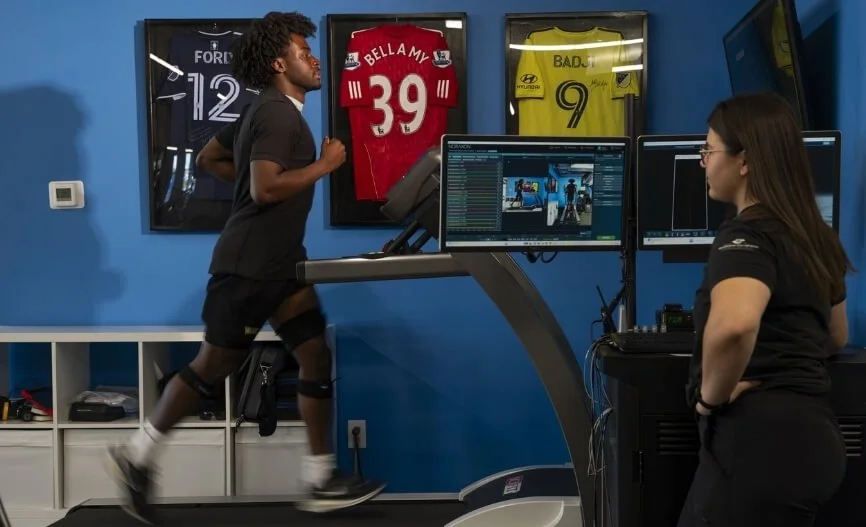
Every runner knows the thrill of pushing their limits on the road or trail, but even subtle biomechanical flaws can put you at risk for injury. From plantar fasciitis to knee pain, runners frequently experience overuse injuries that can sideline training and limit performance. Many of these injuries stem from inefficiencies that often go unnoticed until pain develops. A professional running analysis can identify these issues early, helping runners correct movement patterns, reduce injury risk, and improve overall performance. At Studholme Chiropractic, we use cutting-edge technology to evaluate gait, biomechanics, and muscle activation, helping runners stay healthy, efficient, and pain-free.
Understanding Gait and Biomechanics
Gait refers to the way your body moves while walking or running. While it might seem simple, gait involves a complex interplay of muscles, joints, and nervous system signals. When any part of this system isn’t functioning optimally, it can place excessive stress on other areas, leading to pain or injury over time.
Biomechanics is the study of movement, analyzing how forces act on the body during activity. For runners, biomechanical analysis can reveal inefficient movement patterns, asymmetries between the left and right side of the body, and improper loading that increases the risk of injury. Common biomechanical issues include overpronation, excessive impact forces, and weak or underactive muscles that compromise stability.
Understanding your gait and biomechanics is the first step toward injury prevention. By identifying inefficiencies, runners can make targeted adjustments that improve efficiency, reduce stress on joints, and lower the risk of common running injuries.
How a Running Analysis Helps Prevent Injuries
At Studholme Chiropractic, our running analysis goes far beyond a simple observation of your stride. We use advanced technology to create a comprehensive profile of your neuromuscular and biomechanical function. This includes:
1. 3D Motion Capture with Noraxon
Using Noraxon’s 3D motion capture system, we can track your movement in three dimensions with remarkable precision. This allows us to see joint angles, limb rotations, and timing patterns that are often invisible to the naked eye. By analyzing these details, we can identify asymmetries or abnormal movement patterns that may increase your risk of injury.
2. Electromyography (EMG)
EMG measures muscle activation during movement. Some muscles may be overactive, compensating for weaker or underperforming muscles, while others may not be firing at the right time. These imbalances can create inefficient movement patterns and contribute to overuse injuries. EMG helps us pinpoint exactly which muscles need retraining for optimal performance.
3. Zebris Plantar Pressure Treadmill Analysis
Foot mechanics play a crucial role in running efficiency and injury prevention. Our Zebris plantar pressure treadmill captures dynamic loading patterns of your feet as you run, highlighting areas of excessive pressure or abnormal force distribution. Understanding how your feet interact with the ground allows us to prescribe targeted interventions, from gait re-education to orthotic recommendations.
4. Real-Time Gait Assessment
During both walking and running, we assess your stride in real time. Observing dynamic movement patterns allows us to identify subtle abnormalities that could eventually lead to pain or injury. These insights inform individualized treatment plans aimed at correcting gait mechanics and improving overall running efficiency.
Benefits of a Professional Running Analysis
Recreational runners, weekend warriors, and anyone who runs for fitness can benefit from a running analysis and understanding their biomechanics. Some key advantages include:
Reduced Injury Risk: By identifying and addressing asymmetries, muscle imbalances, and abnormal joint loading, we can prevent injuries before they occur.
Improved Running Economy: Efficient movement reduces wasted energy, allowing you to run faster or longer with less effort.
Enhanced Performance Longevity: Correcting biomechanical faults early helps preserve joint health and muscle function, keeping you running pain-free for years.
Personalized Recommendations: Based on your 3D motion capture, EMG, and plantar pressure results, we create tailored exercises, adjustments, and gait re-education strategies to optimize your performance.
Steps to Take After Your Running Analysis
Once your running analysis is complete, your practitioner will provide a detailed report and actionable recommendations. Common next steps may include:
Targeted Strengthening Exercises: To address weak or underactive muscles.
Gait Retraining: Adjustments to your running mechanics to improve efficiency and reduce impact forces.
Chiropractic Adjustments: To correct joint restrictions that may affect movement patterns.
Customized Recovery Programs: For faster recovery after runs and workouts.
Following these steps ensures that the insights from your running analysis translate into tangible improvements in performance, injury prevention, and overall running enjoyment.
Choose Studholme Chiropractic for Performance & Recovery Care
Running injuries often arise from subtle, undetected biomechanical faults, but they don’t have to sideline you. At Studholme Chiropractic, we specialize in advanced chiropractic care in Denver, CO, combining recovery chiropractic and performance rehab to help active people fix pain fast and get back to doing what they love. Our performance-focused approach ensures that every runner, whether training for a marathon or jogging for fun, receives individualized care based on their biomechanics and injury risk profile.
We go beyond temporary pain relief, integrating chiropractic adjustments, soft tissue therapy, corrective exercises, and gait re-education to create lasting results. Through a professional running analysis using Noraxon 3D motion capture, EMG, and Zebris plantar pressure assessment, we provide an in-depth understanding of your gait, muscle activation, and joint mechanics. With these insights, we develop personalized strategies to reduce injury risk, enhance running economy, and extend your athletic longevity.
Whether you run competitively or casually, understanding your biomechanics is key.Contact us for a free consultation to see how a running analysis can help prevent injuries and improve your performance.