
Treating Tendon Pain: How Chiropractors Help Tendinopathy and Recovery
Have you had or know anyone who has plantar fasciitis, Achilles tendonitis, or hamstring tendonitis? Anyone who has suffered from these conditions knows how challenging it can be to get lasting relief from the pain. It turns out that these conditions are difficult to manage.
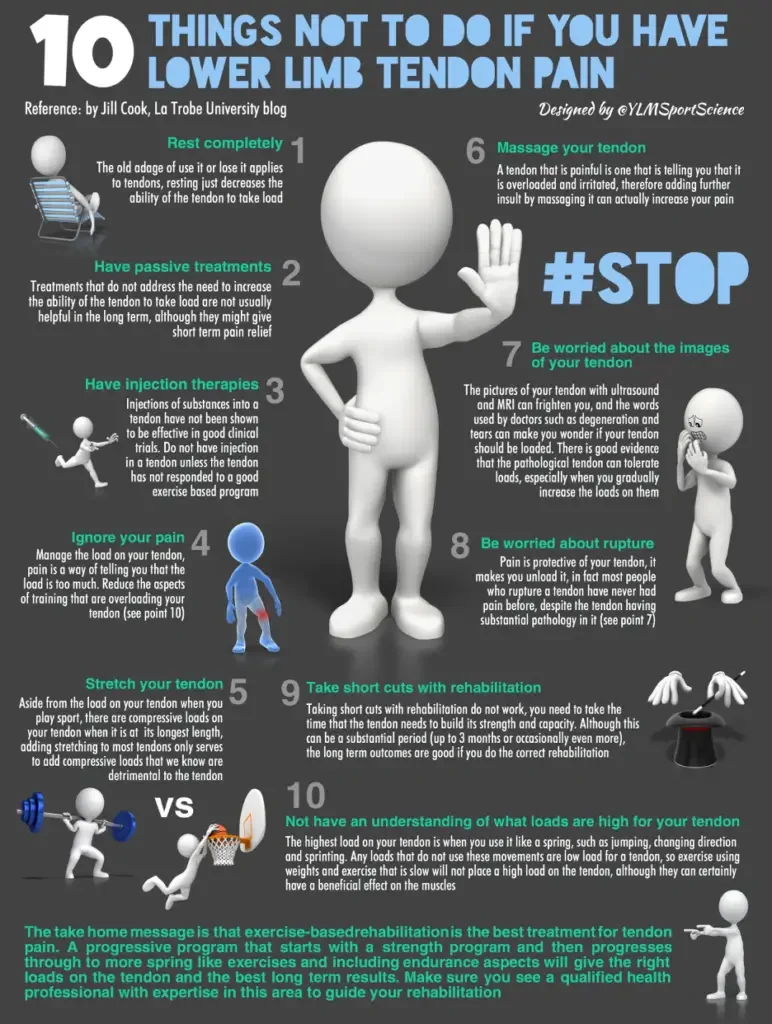
Why are tendon issues so difficult? The main reason is due to misinformation around treating them. For example, rest is not typically helpful nor are soft-tissue modalities (massage, needling, etc..), yet these are the most typically prescribed treatments. In fact, a tendon needs to be loaded properly and can take up to 12-18 weeks to get better. In today's world of quick fixes and bio hacks, who has that kind of time?
Here is a great infographic with 10 things not to do if you have tendon pain (www.ylmsportscience.com).
Tendon pain (or tendinopathy) can affect not only the Achilles, hamstring, or plantar fascia, but also shoulders, elbows, and other areas of the body. Chiropractic care and proper treatment strategies can help reduce pain, speed up recovery, and prevent future injuries.
Understanding and Treating Tendon Pain and Tendinopathy
Tendonitis (also spelled tendinitis) is a general term used to describe inflammation of a tendon, which is a thick, fibrous tissue that connects muscle to bone (tendon connects). Tendonitis is one of the most common causes of soft-tissue, musculoskeletal pain.
Common causes include:
Overuse injury or repetitive strain from sports, work, or daily activities
Improper biomechanics or poor posture
Age-related degeneration of tendon tissue, which causes tendons to tolerate less stress
Sudden injury or trauma
Calcium deposits that can develop in areas subjected to repetitive stress or injury, especially as people age
Tendons such as the Achilles tendon and the rotator cuff are commonly affected by tendonitis, and as tendons age, they become less flexible and more prone to injury.
The chief symptom of tendonitis is pain at the site of the injured tendon, especially during use. Other symptoms may include swelling, warmth, tenderness, and redness, which are signs of the inflammatory process and inflammatory response that occur as the body reacts to tendon injury. Chronic tendon pain can make even simple tasks uncomfortable.
Tendonitis Causes and Risk Factors
Tendonitis often develops when the affected tendon is subjected to repetitive movements or overuse, leading to inflammation and pain. Activities that involve frequent, repeated motions such as playing tennis, running, or manual labor can increase the risk of tendon injury. Poor posture and improper technique during exercise or daily tasks can also place extra stress on tendons, making them more susceptible to damage.
Age is another significant risk factor, as tendons naturally lose flexibility and strength over time, making them more prone to injury. Individuals with a history of tendon problems or previous injuries are at higher risk of developing tendonitis again. Sudden increases in physical activity, inadequate warm-up routines, and underlying medical conditions like arthritis can further contribute to tendon inflammation.
Being aware of these risk factors is key to preventing tendonitis. Taking steps such as using proper form, gradually increasing activity levels, and addressing poor posture can help protect your tendons and reduce the likelihood of experiencing pain or injury. If you notice symptoms of tendonitis, seeking early treatment can prevent the condition from worsening.
Symptoms of Tendinopathy
Tendinopathy can present with a variety of symptoms, depending on which tendon is affected and the severity of the condition. Common symptoms include persistent pain and tenderness in the affected area, swelling, and stiffness that may limit your range of motion. You might notice difficulty moving the joint or muscle connected to the injured tendon, especially after periods of rest or activity.
In some cases, the affected tendon may feel warm to the touch or appear red and swollen. A noticeable lump or thickening along the tendon can also develop, signaling ongoing inflammation. Chronic tendinopathy can lead to long-lasting pain and stiffness, making everyday activities challenging.
If left untreated, tendinopathy can progress and increase the risk of a ruptured tendon, which may require surgical intervention. Consulting a physical therapist can help you accurately identify the symptoms, receive a proper diagnosis, and start a treatment plan to restore function and decrease pain in the affected area.
Diagnosis and Treatment Options
Diagnosing tendonitis typically begins with a thorough physical examination and a review of your medical history. Your healthcare provider may use imaging tests, such as magnetic resonance imaging (MRI) or ultrasound, to assess the extent of the tendon injury and rule out other conditions.
Treatment options for tendonitis are tailored to the severity and location of the injury. Initial care often includes rest, ice, compression, and elevation (RICE) to reduce swelling and pain. Physical therapy is a cornerstone of tendonitis treatment, focusing on restoring mobility, strengthening the affected tendon, and preventing future injuries. Anti-inflammatory medications, such as nonsteroidal anti-inflammatory drugs (NSAIDs), can provide short term pain relief and decrease inflammation.
For chronic tendonitis or cases that do not respond to conservative care, other treatments like corticosteroid injections or platelet-rich plasma (PRP) therapy may be considered. Strength training and eccentric loading exercises are often recommended to promote tendon healing and resilience. A sports medicine specialist can help you navigate these treatment options and develop a personalized plan to support your recovery and prevent recurrence.
How Chiropractors Provide Tendonitis Treatment
Chiropractors offer non-invasive treatments for tendon pain, helping patients recover without surgery or prolonged use of pain medications. Self-care is an important part of treating tendonitis, and effective management often combines professional chiropractic care with at-home strategies.
Some effective chiropractic treatments include:
1. Manual Adjustments and Joint Mobilization
Chiropractors correct joint misalignments and improve mobility, which can reduce strain on nearby tendons and promote natural healing.
2. Soft Tissue Therapy
Techniques such as massage, myofascial release, and instrument-assisted soft tissue work help relieve tension in muscles and tendons, improve blood flow, and accelerate recovery.
3. Targeted Exercises and Rehabilitation
Customized exercise programs strengthen surrounding muscles, restore proper tendon function, and reduce the risk of re-injury. This may include stretching, eccentric loading, and low-impact strength training.
4. Pain Relief Modalities
Chiropractors may also use ultrasound therapy, electrical stimulation, or cryotherapy to reduce inflammation and alleviate tendon pain. Over-the-counter anti-inflammatory medications such as naproxen sodium may be recommended for tendon pain relief. In some cases, steroid injections, including corticosteroid injections, can provide rapid short-term relief, but they should be used cautiously and only under specialist supervision. Repeated injections are generally avoided in chronic conditions due to risks such as tendon weakening or rupture.
Tendinopathy and Overall Health
Tendinopathy affects the injured tendon and can impact your overall health and quality of life. Persistent pain and limited mobility may lead to reduced physical activity, increasing the risk of developing other health issues such as obesity, diabetes, and cardiovascular problems. The frustration of dealing with a painful condition can also affect mental health, potentially leading to anxiety or depression.
Seeking timely and effective treatment for tendinopathy is essential to prevent these long-term complications. Addressing pain and restoring function allows you to maintain an active lifestyle and supports your overall well-being. A comprehensive treatment plan, guided by a healthcare professional, can help you manage symptoms, promote healing, and improve your quality of life both physically and mentally.
Home Care and Preventive Strategies
Along with professional chiropractic care, patients can adopt at-home strategies to support tendon recovery and prevent tendonitis. The first line of treatment for tendonitis involves the RICE protocol—Rest, Ice, Compression, and Elevation—which is effective in promoting recovery. Most cases of tendonitis can be successfully treated with nonsurgical methods such as rest, ice, compression, elevation, stretching, and modification of activities.
Rest and activity modification: Avoid movements that worsen pain; relative rest is preferred over total bed rest, as complete inactivity can lead to joint stiffness.
Ice therapy: Apply ice to inflamed tendons for 15–20 minutes several times a day.
Gentle stretching: Maintain flexibility without overstraining; regular stretching and strengthening exercises help prevent tendonitis by making tendons and muscles less prone to injury.
Supportive footwear or braces: Supportive devices like braces or splints can protect the tendon and reduce stress during activities.
Gradual return to activity: Prevent recurrence and help prevent tendonitis by slowly increasing intensity and duration of physical activities, allowing the body to adapt to new stresses.
Avoid working through pain: Continuing activity despite pain can worsen injuries and delay recovery.
Lifestyle modifications: Incorporate low-impact exercises and ergonomic adjustments to help prevent re-injury.
Proper warm-up and cool-down: Always include warm-up and cool-down routines before and after exercise to reduce the risk of developing tendonitis.
By following these strategies, patients can support healing and help prevent tendonitis from recurring.
How Long Does Tendon Pain Take to Heal?
Recovery time varies depending on the tendon affected and the severity of the injury. If pain from tendonitis does not improve within a few days, it is advisable to see a doctor for further evaluation and treatment options. Mild cases may improve in a few weeks, while chronic tendinopathy may take several months of consistent treatment and rehabilitation. In severe cases where nonsurgical treatments do not lead to good outcomes, surgery may be necessary to realign tendons, remove bone spurs, or address areas of calcium buildup. Consulting a specialist in orthopedics or sports medicine is important if symptoms persist, especially for sports related injuries, as they can provide a proper diagnosis and treatment plan. Ignoring persistent tendonitis can lead to degeneration of the tendon, known as tendinosis, which may require more intensive treatment. If tendonitis symptoms are not resolved with initial treatments, surgical options may be necessary to prevent further complications such as tendon rupture. With chiropractic care, proper exercises, and lifestyle adjustments, patients often experience faster and more complete recovery.
Local Care for Tendon Pain in Denver, CO
If you're searching for a chiropractor for tendon pain in Denver, CO, Studholme Chiropractic offers personalized care to help you recover safely and effectively. Our team focuses on tendon pain relief, tendinopathy management, and injury prevention to get you back to the activities you love.
Tendon pain does not have to control your life. Through chiropractic care, rehabilitation exercises, and preventive strategies, you can reduce pain, restore mobility, and prevent future injuries.
If you're struggling with tendon pain or tendinopathy, contact us today and take the first step toward recovery.