
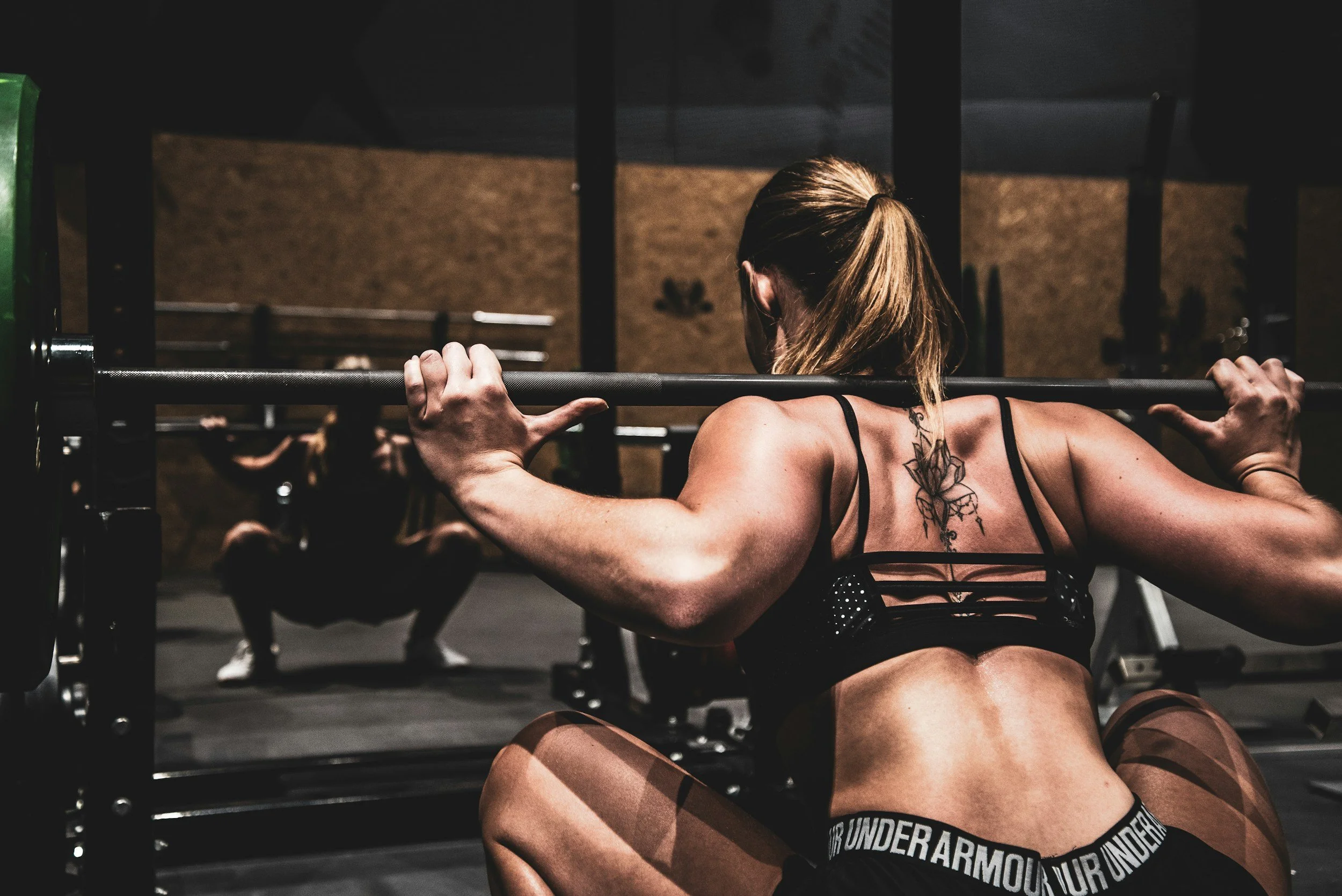
Back Pain Chiropractor in Denver, CO
At Studholme Chiropractic in Denver, we understand how frustrating lower back pain can be. It can affect how you sit, sleep, work, train, and move through daily life, especially when it keeps returning despite adjustments, physical therapy, massage, injections, medication, or rest.
That is why we look beyond the painful area. We assess how your spine, hips, trunk, and lower body work together, then use objective testing to identify strength, movement, and control deficits that may be contributing to your symptoms.
Your treatment is built around what we find and may include hands on care, one on one rehabilitation, progressive strength training, and other tools when appropriate. The goal is not temporary relief. It is to help you understand what is happening, rebuild your capacity, and return to the activities that matter to you.
Can a Chiropractor Help with Lower Back Pain?
Chiropractic care may help many people with mechanical low back pain, but an adjustment alone is not always enough. A back pain chiropractor who also delivers rehabilitation can address both the symptom and the cause behind it.
Back pain can be influenced by how well your spine and hips move, how your trunk manages load, how much strength and endurance you have, and how your body responds to sitting, lifting, walking, running, and exercise.
That is why we combine hands-on treatment with rehabilitation. Hands on care can help reduce discomfort and restore movement. Rehabilitation helps you build the strength, control, and load tolerance needed to maintain that progress.
You do not have to choose between chiropractic care and rehabilitation. At Studholme Chiropractic, both are part of the same plan.
Recurring back pain does not always mean something is damaged or that your spine is unstable.
In many cases, the painful area is only one part of the problem. Limited hip movement, reduced trunk endurance, strength differences between sides, changes in movement after an injury, or a rapid increase in work or training demands may all contribute.
Treatment can fall short when it only focuses on temporary symptom relief.
Our job is to determine what your back currently tolerates, identify the areas that are underperforming, and gradually improve the way your body manages movement and load.
Why Isn't My Back Pain Getting Better?
This May be Especially Useful When Your Pain:
Keeps returning after treatment
Improves briefly but flares again
Increases with sitting, bending, lifting, or standing
Limits running, hiking, lifting, golf, or other activities
Has not improved with generic exercises
Makes you hesitant to move or train normally
We Measure Your Back. We Don't Guess.
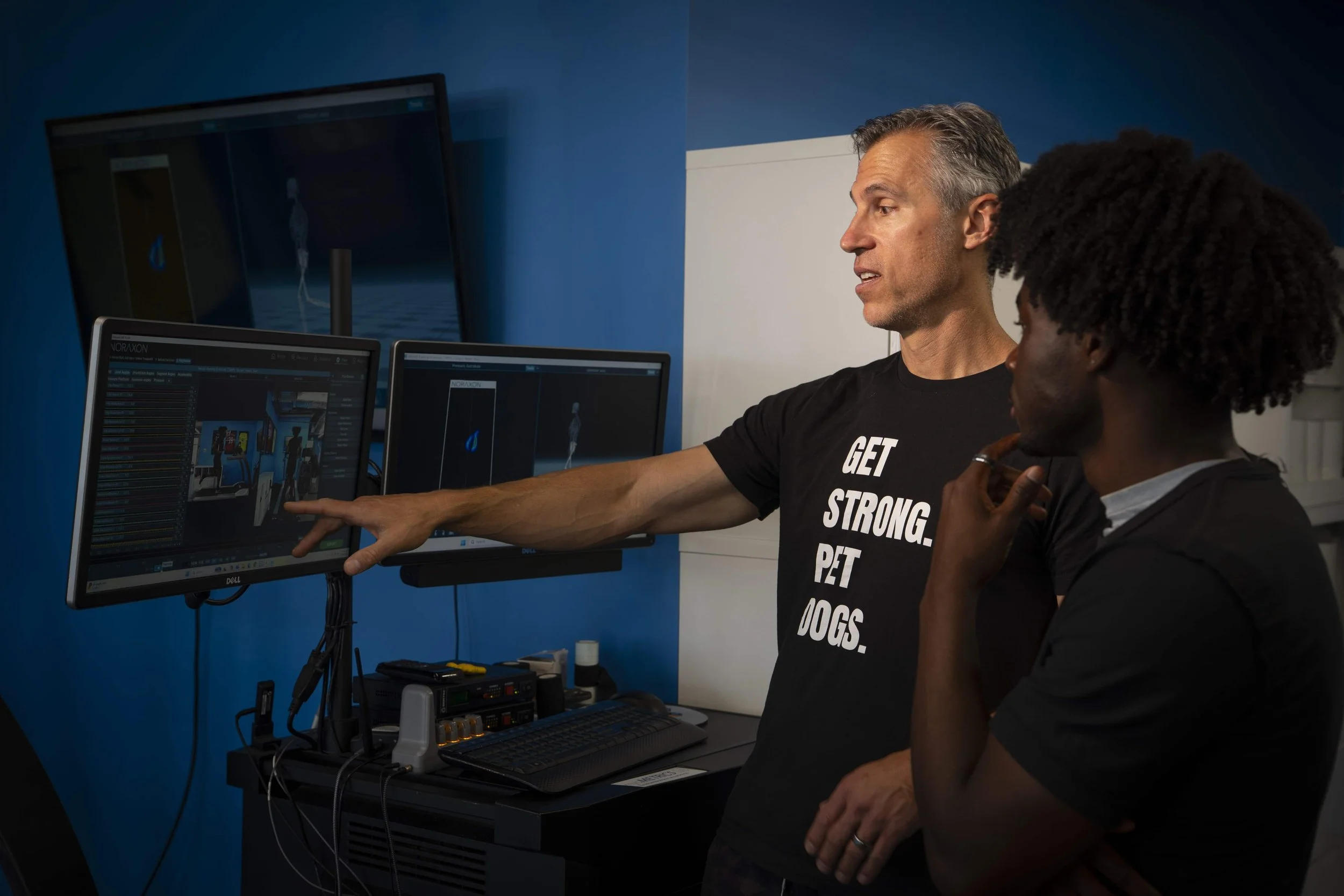
Most providers tell you what they think is wrong with your back. Your first visit at Studholme Chiropractic is a two hour, full body functional evaluation.
We begin with your history, symptoms, previous treatment, activity demands, and goals. Next, we examine how your spine, hips, trunk, and lower body move and function together. Then, we map everything we find on a whiteboard so you can see what's driving the pain rather than take our word for it. Testing is selected according to your presentation and may include:
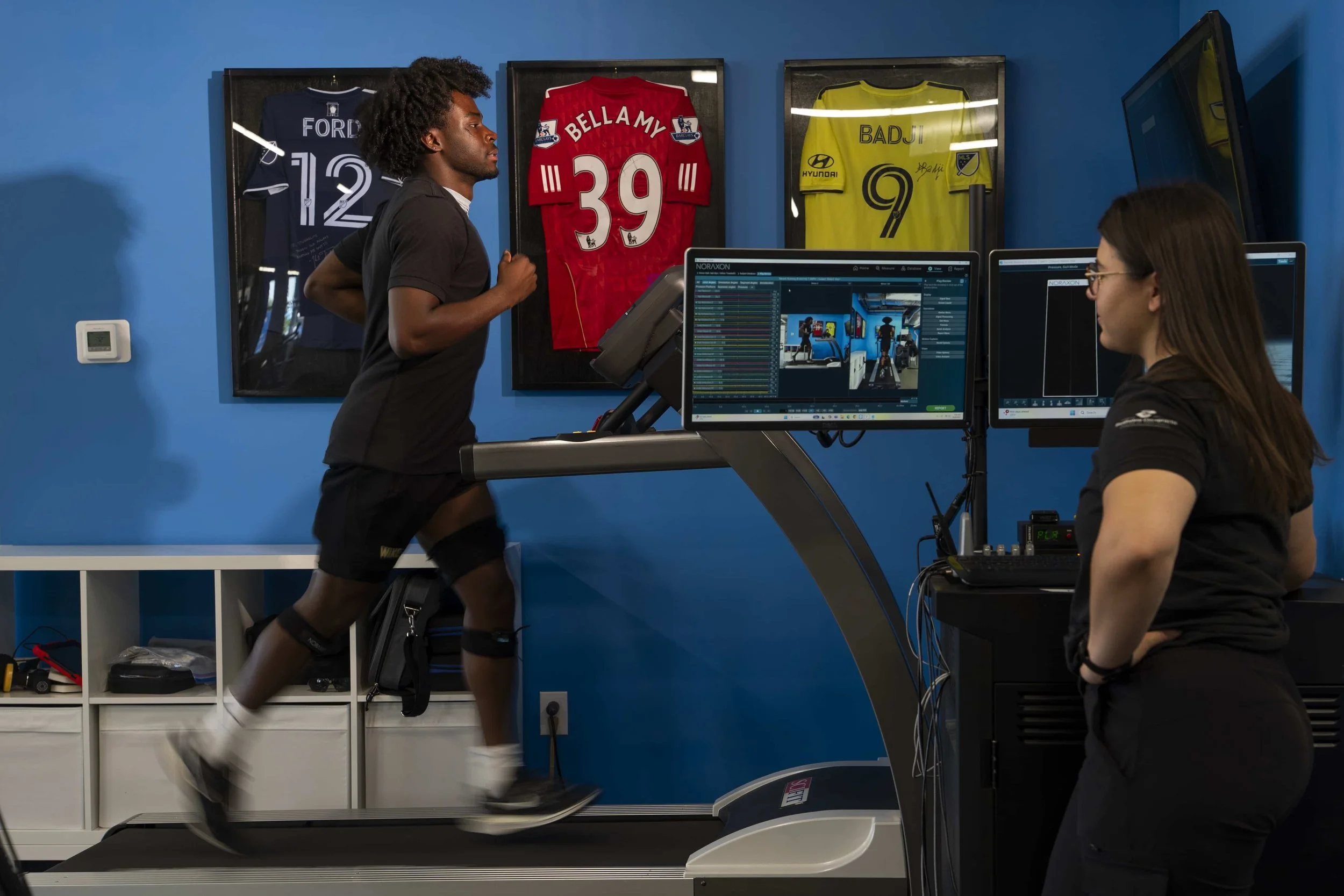
Measures how your body moves during walking and running to help us identify movement patterns that may be placing additional demand on your back.
Noraxon 3D Running & Gait Analysis with EMG
VALD DynaMo Strength Testing
Measures muscle strength and compares performance between sides. Depending on your symptoms, we may test the trunk, hips, legs, or other muscle groups that help support movement.
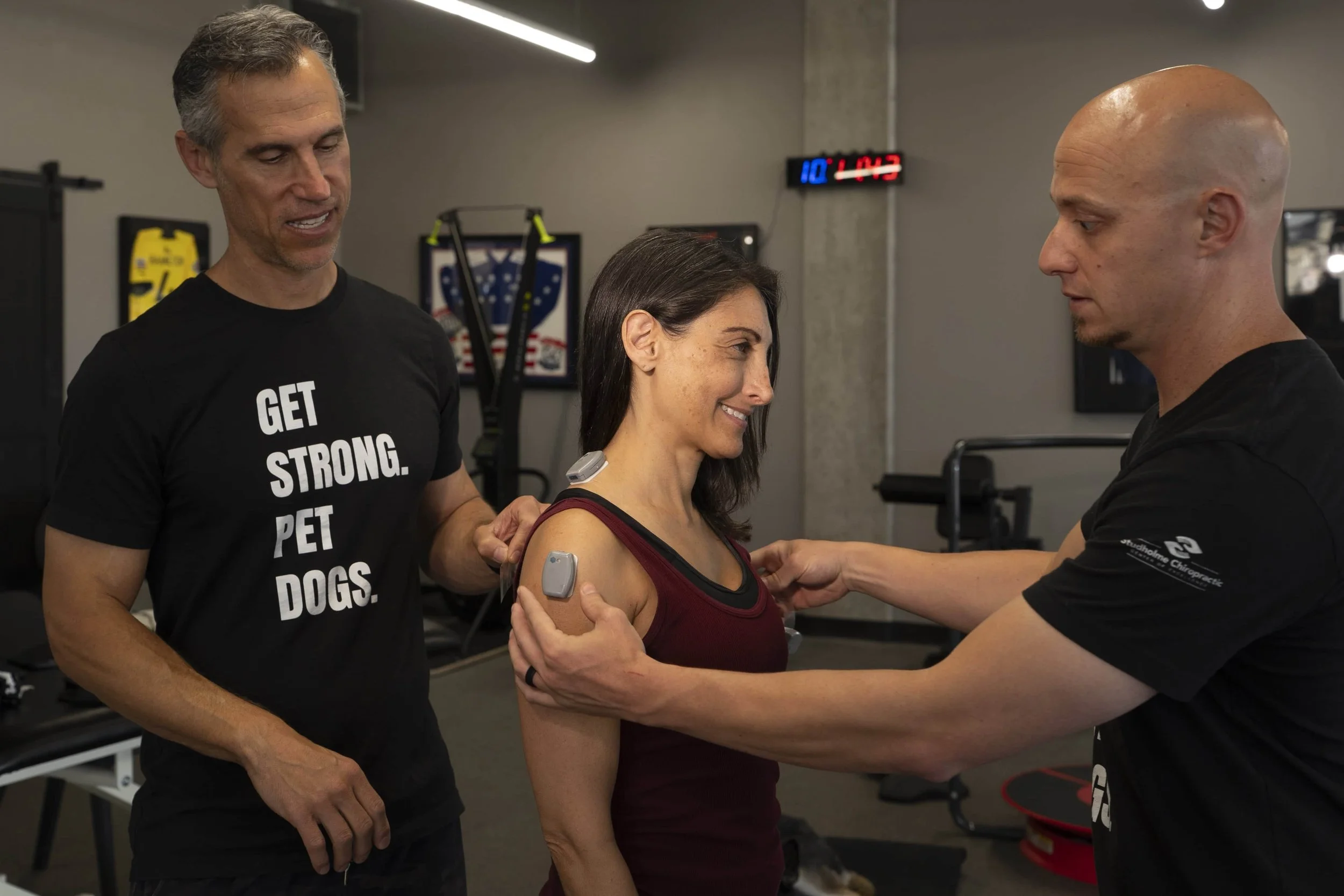
EMG Muscle Testing
Shows when selected muscles are active and how they respond during movement or exercise. EMG can also provide real time feedback during rehabilitation.
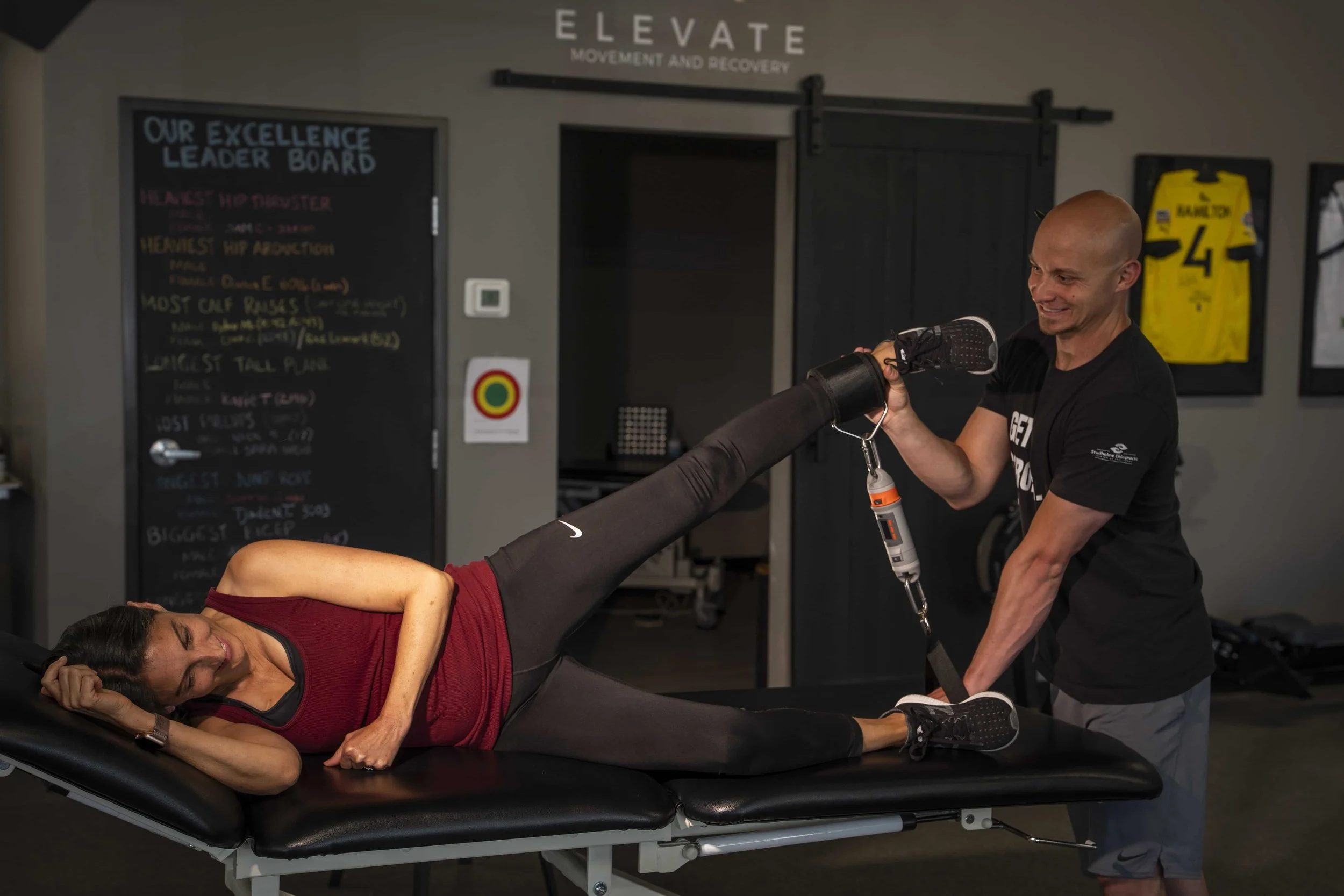
Advanced Muscle Integration Technique
AMIT provides an additional clinical method for assessing how individual muscles are contributing to movement. Dr. Studholme is one of only a few AMIT certified practitioners in Colorado.
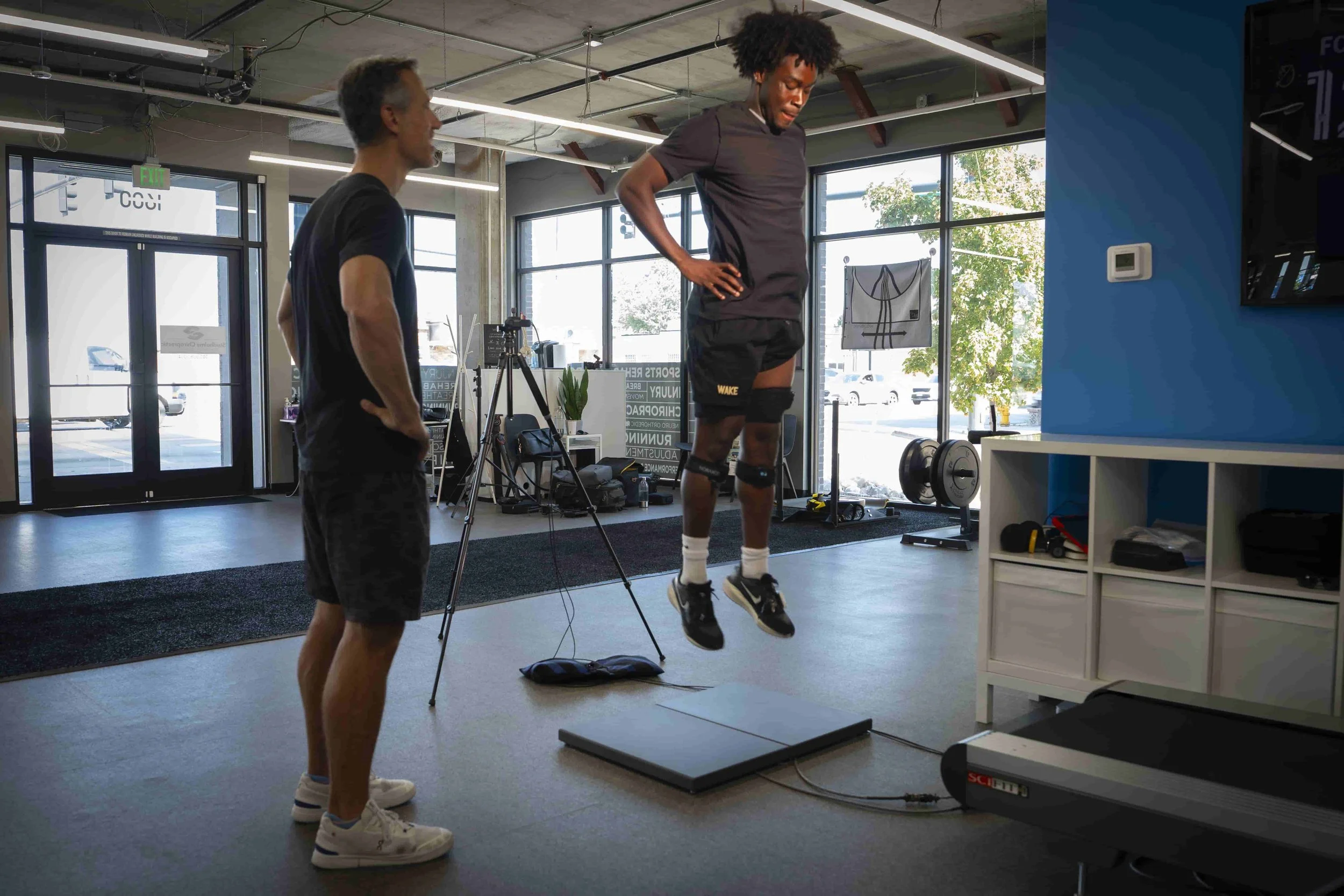
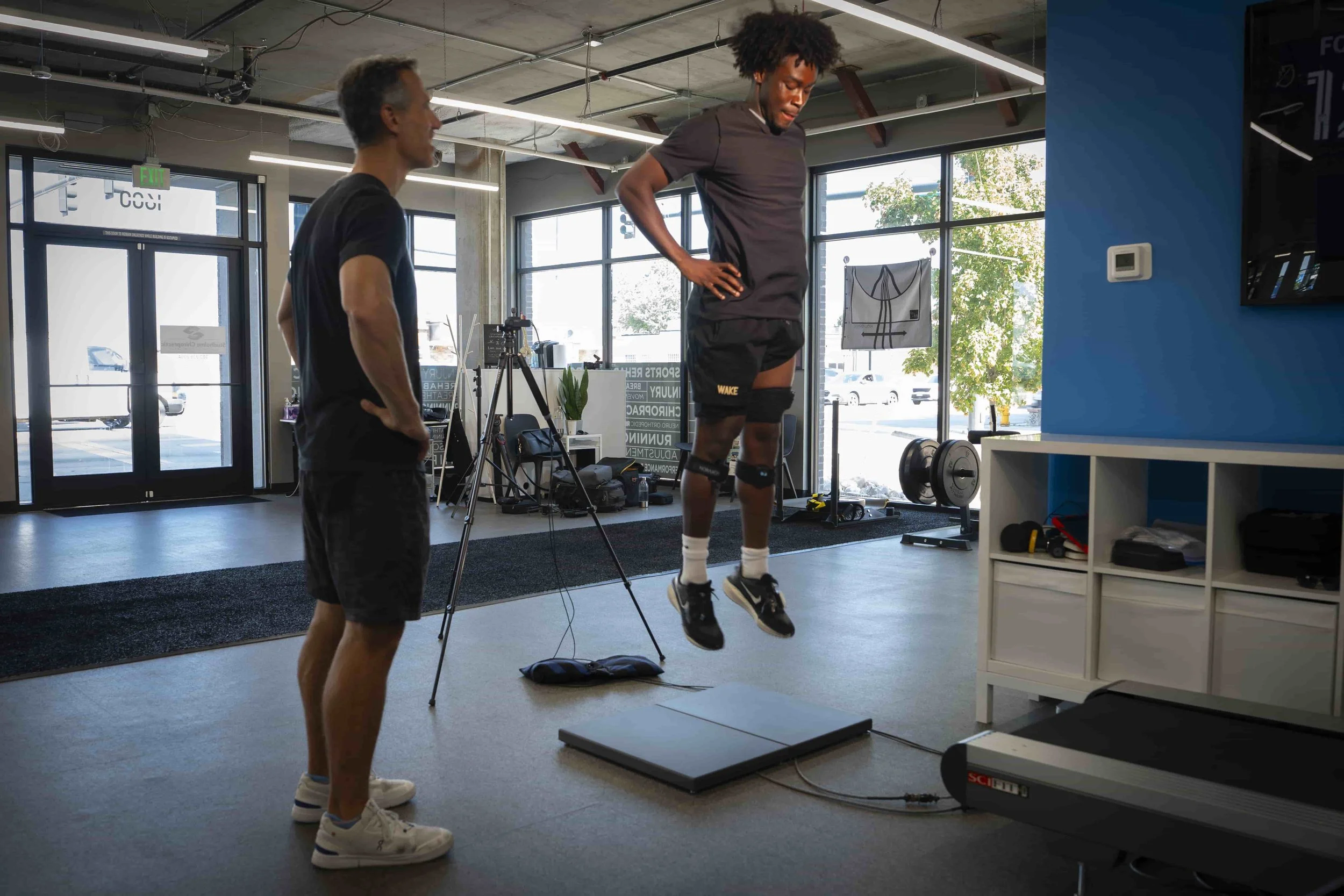
Bertec Force Plate Testing
Measures how you produce, absorb, and distribute force during functional movements. This helps identify differences that may not be visible during a standard examination.
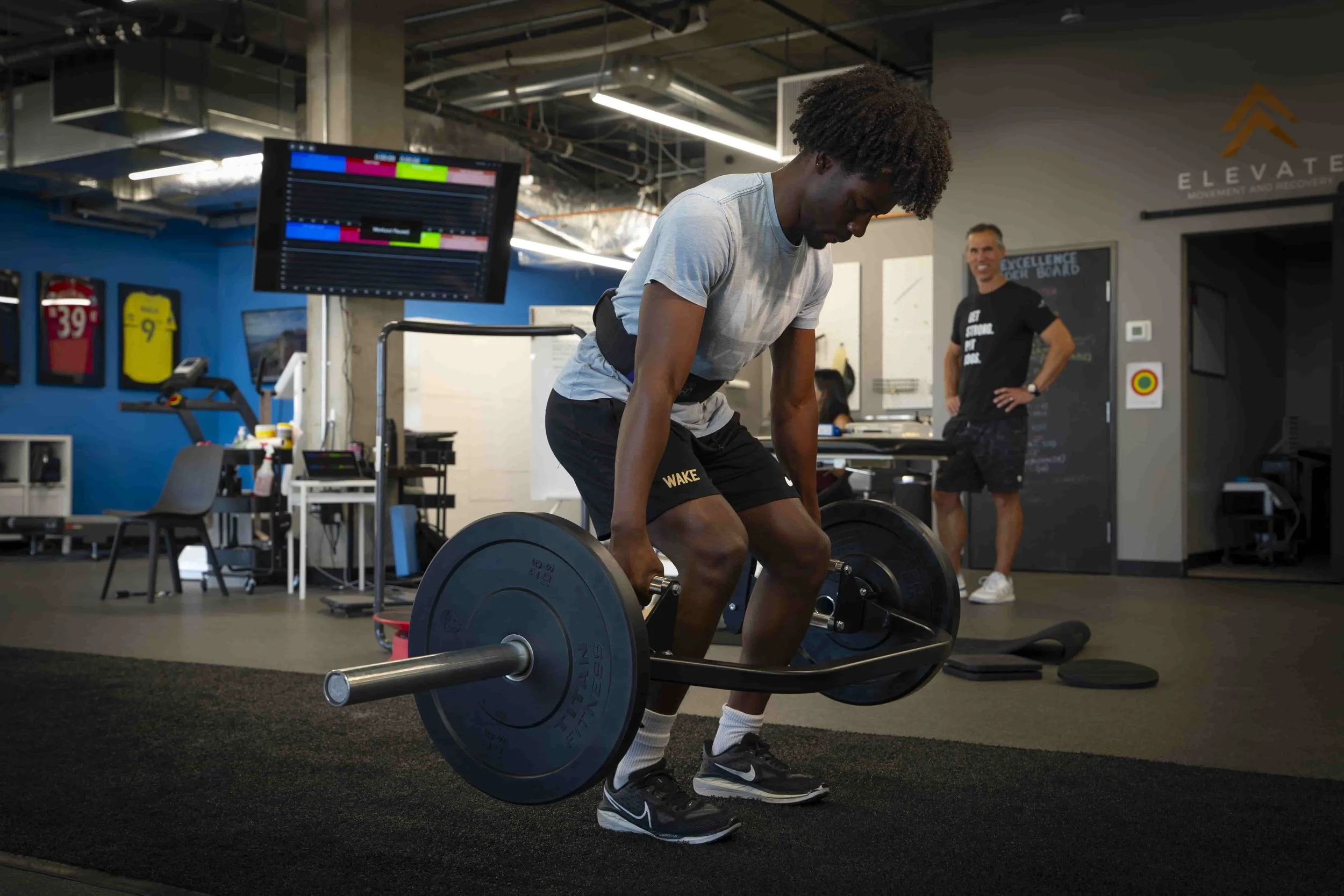
Functional Movement Testing
Examines tasks such as squatting, hinging, stepping, carrying, reaching, and getting to and from the floor. These movements often tell us more about your limitations than an isolated table test.
No single test gives us the entire answer. We combine your history, physical examination, movement testing, strength measurements, and response to activity to build a clearer picture of what may be contributing to your pain. We measure. We don't guess.
You should leave your evaluation understanding your back better than when you arrived.
We use a whiteboard to explain:
What may be contributing to your symptoms
Which movements and activities are currently limited
What your testing showed
What needs to improve
How treatment and rehabilitation will progress
What you can safely continue doing
You are not simply told that your back is weak, misaligned, or tracking poorly.
We show you the findings, explain what they mean, and connect them to the activities you want to return to.
We Show You What We Find
Hands On Care and One on One Rehabilitation
Finding the cause is only the first step. Lasting improvement requires changing what your body can tolerate and how confidently you can move. Follow up visits are one hour and combine hands-on treatment with guided rehabilitation.
Your Treatment Plan May Include:
-
Joint mobilization, soft tissue treatment, and other manual techniques may be used to reduce discomfort and restore movement when appropriate.
-
We coach you through your exercises instead of handing you a generic exercise sheet.
-
We film your exercises so you leave with personalized videos showing exactly what to do at home. You do not have to rely on memory or search online for a similar exercise.
-
Your rehabilitation becomes more challenging as your pain, strength, and movement improve. The goal is to prepare you for real demands, not keep you performing basic exercises indefinitely.
-
Class IV laser may be used as an additional tool to help manage pain and support your ability to participate in rehabilitation when appropriate.
-
Dynamic Tape may be used to reduce stress on a sensitive area while still allowing you to move during work, exercise, and everyday activity.
The Back Problems We See Most
We work with low back pain across the spectrum, from the desk worker whose back locks up to the lifter who felt something go:
Mechanical and Recurring Low
Back Pain
The everyday ache that increases with certain positions, movements, or work demands and keeps returning.
Chronic Low Back Pain
Pain that has continued for months or years and has not responded fully to previous care.
Sciatica and Nerve-Related Leg Pain
Pain, numbness, tingling, or weakness that travels into the buttock or leg. We assess the spine, hips, nerves, strength, and movement to determine whether conservative care is appropriate.
Disc-Related Pain (Herniated or Bulging)
Symptoms associated with a disc bulge, herniation, or previous disc injury. Treatment focuses on reducing irritation, restoring function, and gradually rebuilding tolerance to movement and load.
SI Joint and Pelvic-Driven Pain
Pain near the lower back, pelvis, or buttock that may be influenced by how the trunk, hips, and lower body transfer force.
Posture and "Too Much Sitting" Pain
Back pain that increases after prolonged sitting, driving, or working at a computer.
Pain with Lifting and Exercise
Symptoms that occur during squatting, deadlifting, carrying, running, golf, cycling, or other physical activities.
Rehabilitation After Back Surgery
Being cleared after back surgery does not always mean you are ready to return immediately to normal training, work, or sport.
Post-surgical rehabilitation helps bridge the gap between basic recovery and full function. Depending on your procedure and current status, rehabilitation may include:
Restoring comfortable movement
Rebuilding trunk endurance
Improving hip and leg strength
Retraining squatting, hinging, carrying, and reaching
Progressing cardiovascular exercise
Preparing for work, hiking, running, lifting, or sport
We communicate with your surgeon or medical team when additional guidance is needed.
We also treat related areas to low back that often travel together.
If your pain sits higher up, let’s talk about your Neck Pain and active patients dealing with multiple areas may want our Sports Chiropractic & Injury Care page or our Knee Pain Specialist page.
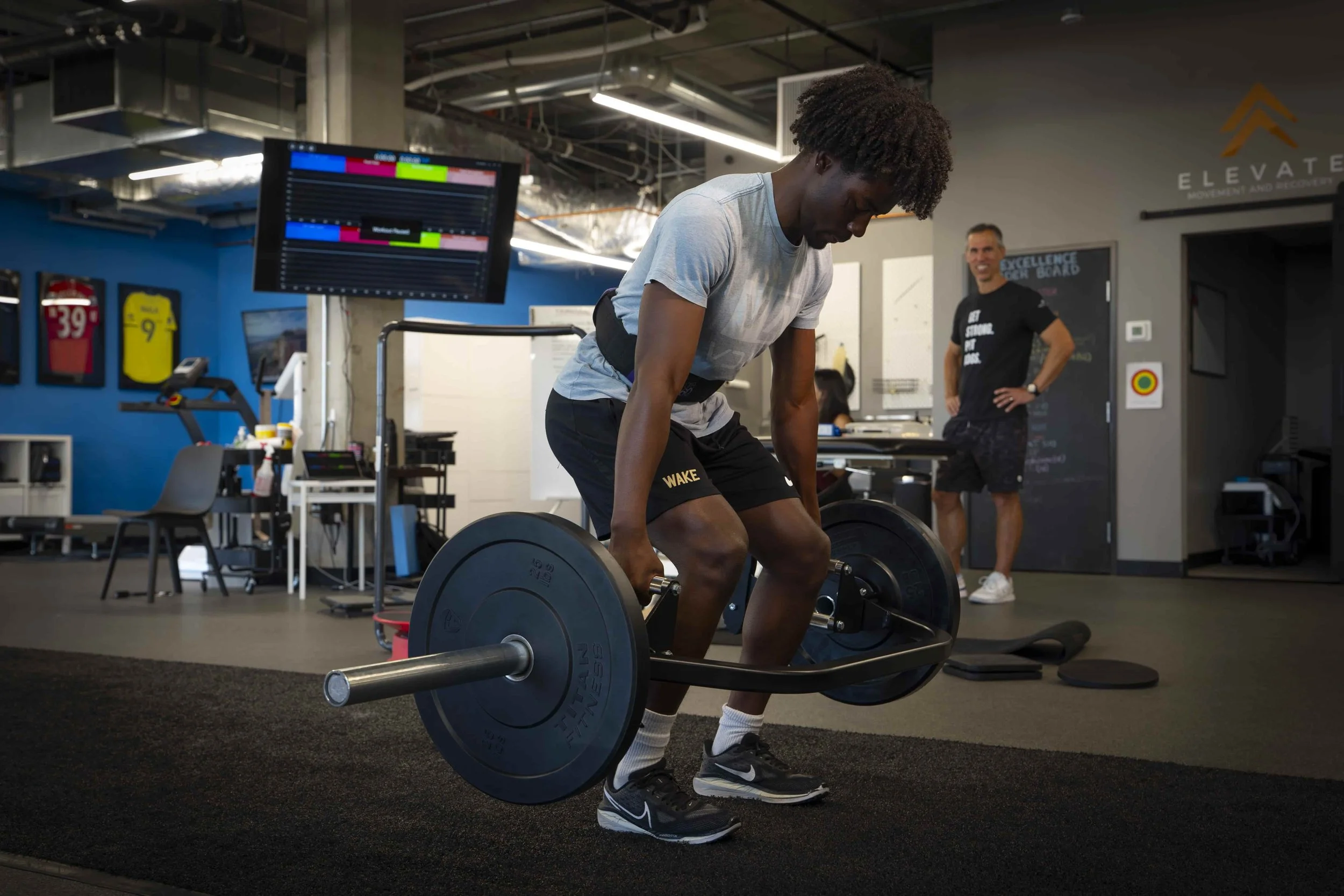
Why People with Stubborn Backs Come to Us
People come to our Denver low back pain chiropractic practice after already trying chiropractic care, physical therapy, massage, injections, medication, or rest. Some find us through word of mouth, while others are referred by healthcare providers, coaches, or trainers who want a more detailed evaluation.
Patients often come to us because:
Their pain keeps returning
Previous care focused only on the painful area
Their exercises were never progressed
They were told to stop activities without a plan for returning
They want objective testing rather than another opinion based only on feel
They want a second opinion on chronic pain that has not responded to previous care
They want a provider who will perform the rehabilitation with them
Our approach combines a two hour functional evaluation, objective strength and movement testing, hands on treatment, one on one rehabilitation, and retesting to track progress.
We’ve Got Your Back
Dr. Studholme is certified in Advanced Muscle Integration Technique, an additional method used to assess how individual muscles are contributing to movement. He also co founded SparkMotion, a movement assessment platform used in high performance sports settings.
Technology is only useful when it changes a clinical decision. We use testing to answer specific questions, guide rehabilitation, and measure progress, not simply to produce more data.
We are also honest about what belongs in our office. When your symptoms require imaging, medical evaluation, or specialist care, we will tell you and help direct you to the appropriate provider.

Low Back Pain Chiropractor FAQs
-
Yes. Chiropractic care can help with many forms of mechanical low back pain, especially when hands on treatment is combined with progressive rehabilitation. We evaluate the spine, hips, surrounding joints, and the rest of the movement chain before recommending treatment.
-
Often, yes. Sciatica and disc related pain respond well to conservative care. We assess your symptoms, neurological function, strength, and movement before deciding whether treatment in our office is appropriate.
We're also honest about limits and recognize when imaging, medical evaluation, or specialist care is the better next step.
-
That depends on your diagnosis, how long the problem has been present, your current function, and the activities you want to return to. Some patients notice changes early. More persistent or involved cases may require a longer period of progressive rehabilitation. Your evaluation helps us recommend a plan based on your findings rather than assigning the same number of visits to everyone.
-
You don't have to choose. Follow up visits combine hands-on treatment with one-on-one rehabilitation. Hands on treatment can help manage your symptoms and restore movement, while guided rehabilitation builds the strength, control, and tolerance needed for longer term improvement.
-
Conservative care is a sensible first step for most mechanical low back pain, and you don't need a referral to start.
Back pain should be evaluated urgently when it follows major trauma or is accompanied by serious or rapidly worsening symptoms.
We screen for findings that may require imaging, medical care, or referral. When your presentation is not appropriate for treatment in our office, we will tell you and help direct you to the right provider.
-
Usually because the factors contributing to your lower back pain were never fully addressed. Limited hip mobility, reduced trunk endurance, strength deficits, or poor load tolerance can continue placing stress on the same area.
We measure how your body moves, identify what may be contributing to the problem, and build a rehabilitation plan to improve strength, control, and confidence so the pain is less likely to return.
-
Your first visit takes approximately two hours and may include:
A detailed history
A physical and neurological examination
Functional movement testing
Strength, balance, EMG, and/or 3D testing when indicated
A clear explanation of the findings
Initial treatment and rehabilitation planning
You leave knowing what we found, what the plan is, and what happens next.
-
Not necessarily. Complete rest is rarely the only option. We often modify the amount, intensity, range of motion, or type of exercise while continuing to train what you can tolerate. Our goal is to keep you moving when it is safe and gradually rebuild the activities that are currently limited.
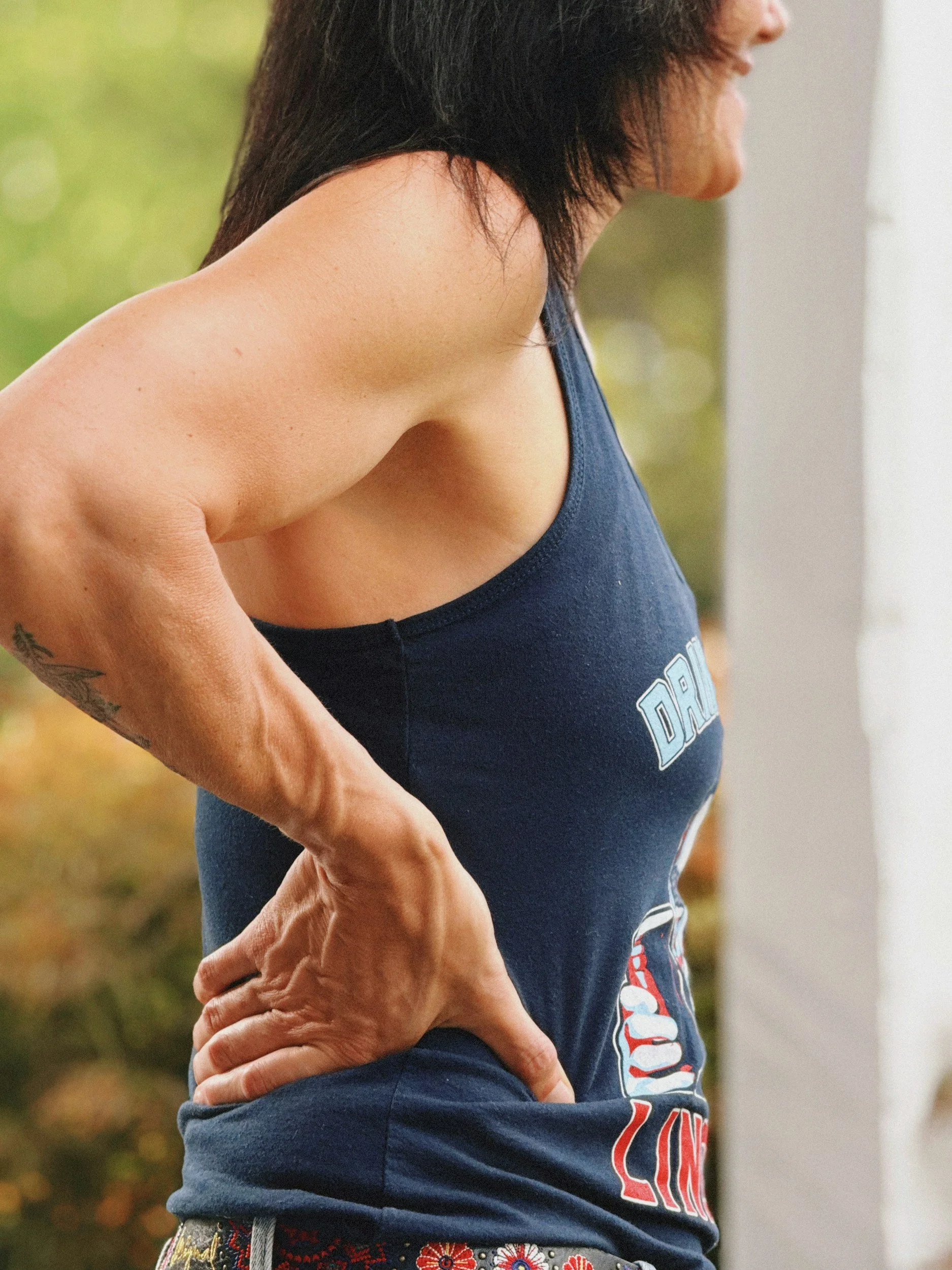
Get Answers About Your Back
If you have been told to rest, brace it, or live with it, you may need a clearer plan. You need to know what your body is struggling with, what needs to improve, and how to rebuild it safely. Let's measure what's actually wrong and build a plan to fix it. We see patients from across Denver, including Washington Park, Platt Park, Cherry Creek, Englewood, and Greenwood Village at our 1600 South Broadway, Denver, CO 80210 location.