

Neck Pain Treatment in
Denver, CO
Studholme Chiropractic is a Denver clinic for people whose neck pain has not improved with rest, medication, or other care. We take the time to measure how your neck moves, how strong it is, and how it handles load, including objective neck strength testing with our Multi Cervical Unit.
Then we show you what we find and do the rehabilitation with you. Your appointment will combine hands on care, one on one rehabilitation, progressive neck strengthening, and other tools when appropriate. The goal is to use the right tools at the right time to help you move better, get stronger, and return to the activities that matter to you.
Can a Chiropractor Help with Neck Pain?
Yes, chiropractic care can help with certain forms of neck pain, especially when hands on treatment is combined with progressive rehabilitation.
Neck pain does not always mean something is badly damaged. Symptoms can be influenced by movement, strength, activity demands, previous injuries, sleep, stress, and how much load your neck is currently able to tolerate. That is why we evaluate more than the painful area before recommending treatment.
At Studholme, we go a step further than a standard adjustment. We combine hands on care with objective testing and guided rehabilitation based on what your evaluation shows not on assumptions about what usually causes neck pain.
Neck pain rarely comes from one thing. Long hours at a desk or on a phone, previous injuries like whiplash, changes in strength or movement, sleep, stress, training demands, and overall conditioning can all contribute.
Persistent pain does not always mean the joint or disc is damaged. Sometimes the neck is simply being asked to handle more than it is currently ready for. That is why we do not assume what is causing your pain before we evaluate you.
What Causes Neck Pain?
We Assess A Range of Factors.
And Build A Plan Around What We Find.
Your first visit is a two-hour, full body functional evaluation.
We begin with your history, symptoms, previous treatment, activity demands, and goals. We then perform a physical and neurological examination and select objective testing based on the specific clinical questions we need to answer.
Testing is selected according to your condition and may include:
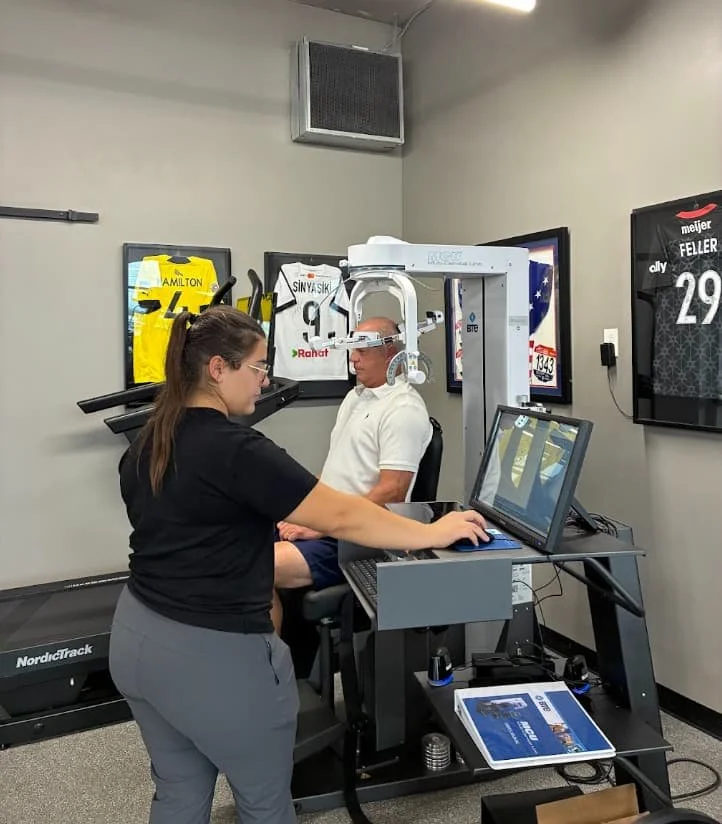
Allows us to objectively measure neck range of motion and strength in different directions. This gives us a starting point for how your neck moves and how much force it can produce in flexion, extension, side bending, and rotation. We can identify meaningful weakness or differences between directions, use those measurements to guide rehabilitation, and retest as you progress.
MCU Multiple-Cervical Unit Testing
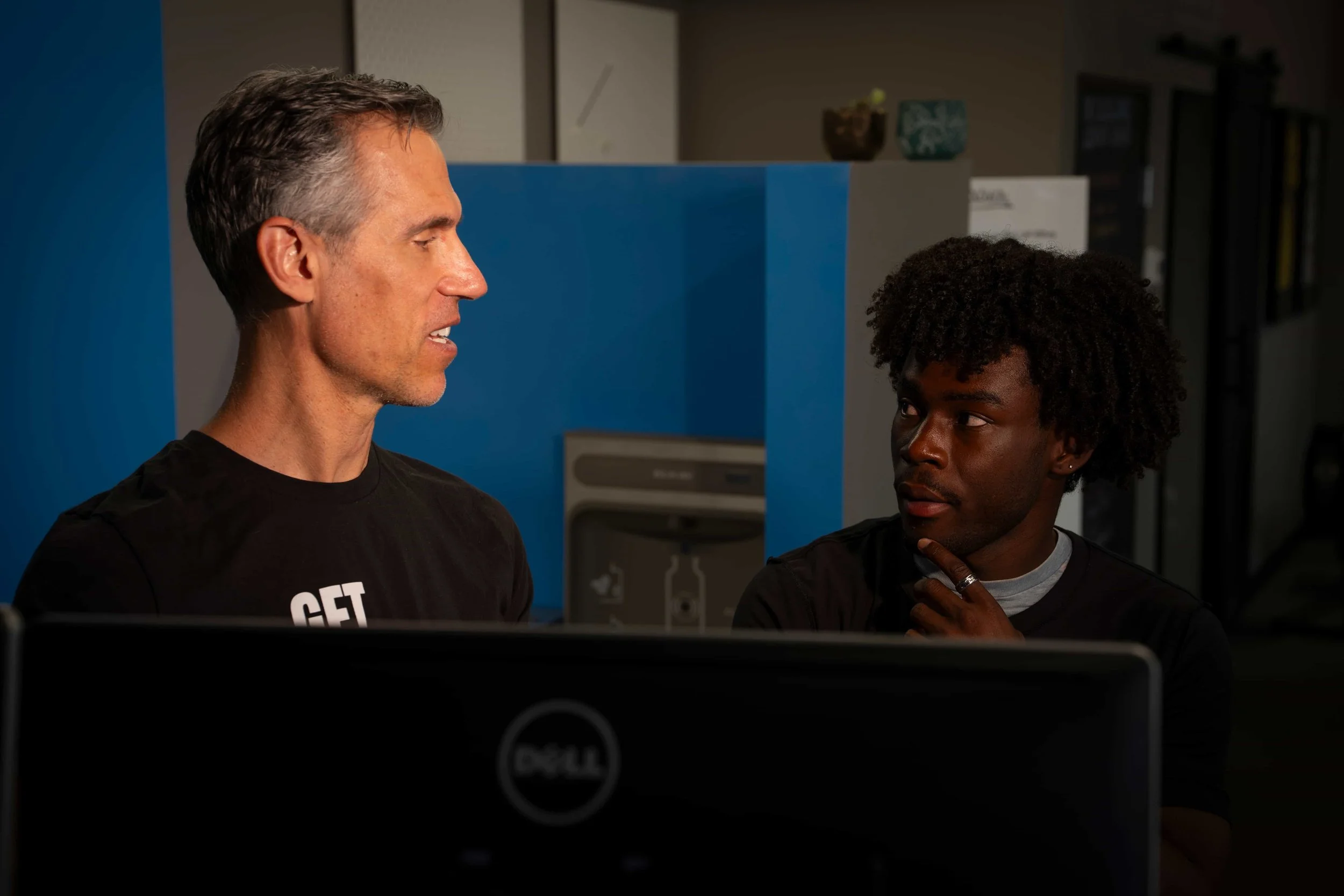
Noraxon 3D Movement Analysis
Allows us to measure how your neck, shoulders, and trunk move during functional tasks. This can help identify movement differences or strategies that may be placing additional demand on the neck.
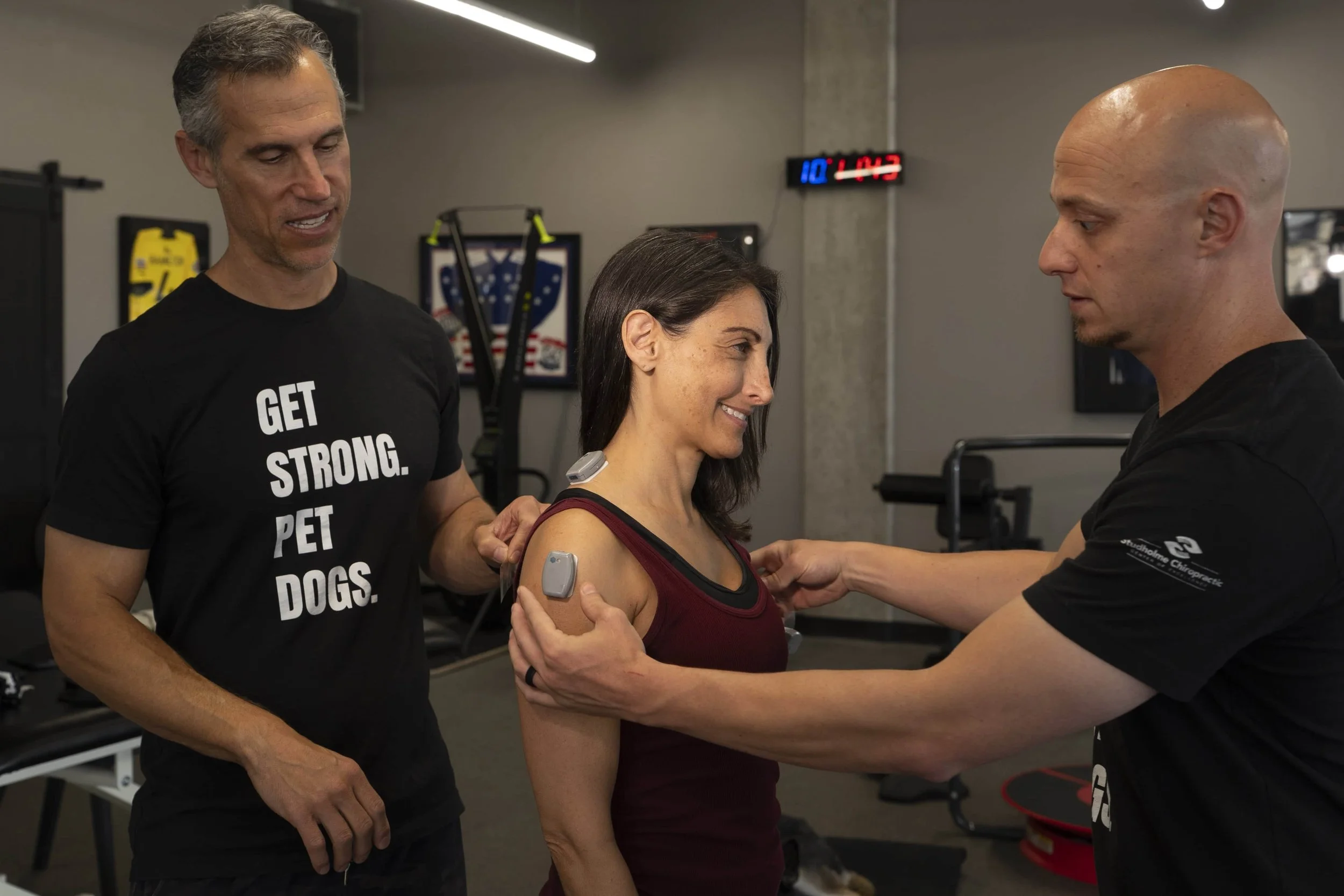
EMG Muscle Testing
Shows when selected muscles are active and how they respond during movement or exercise. EMG can also provide real time feedback during rehabilitation.
We Use a Whiteboard to Explain:
What may be contributing to your symptoms
Which movements and activities are currently limited
What your testing showed
What needs to improve
How treatment and rehabilitation will progress
What you can safely continue doing
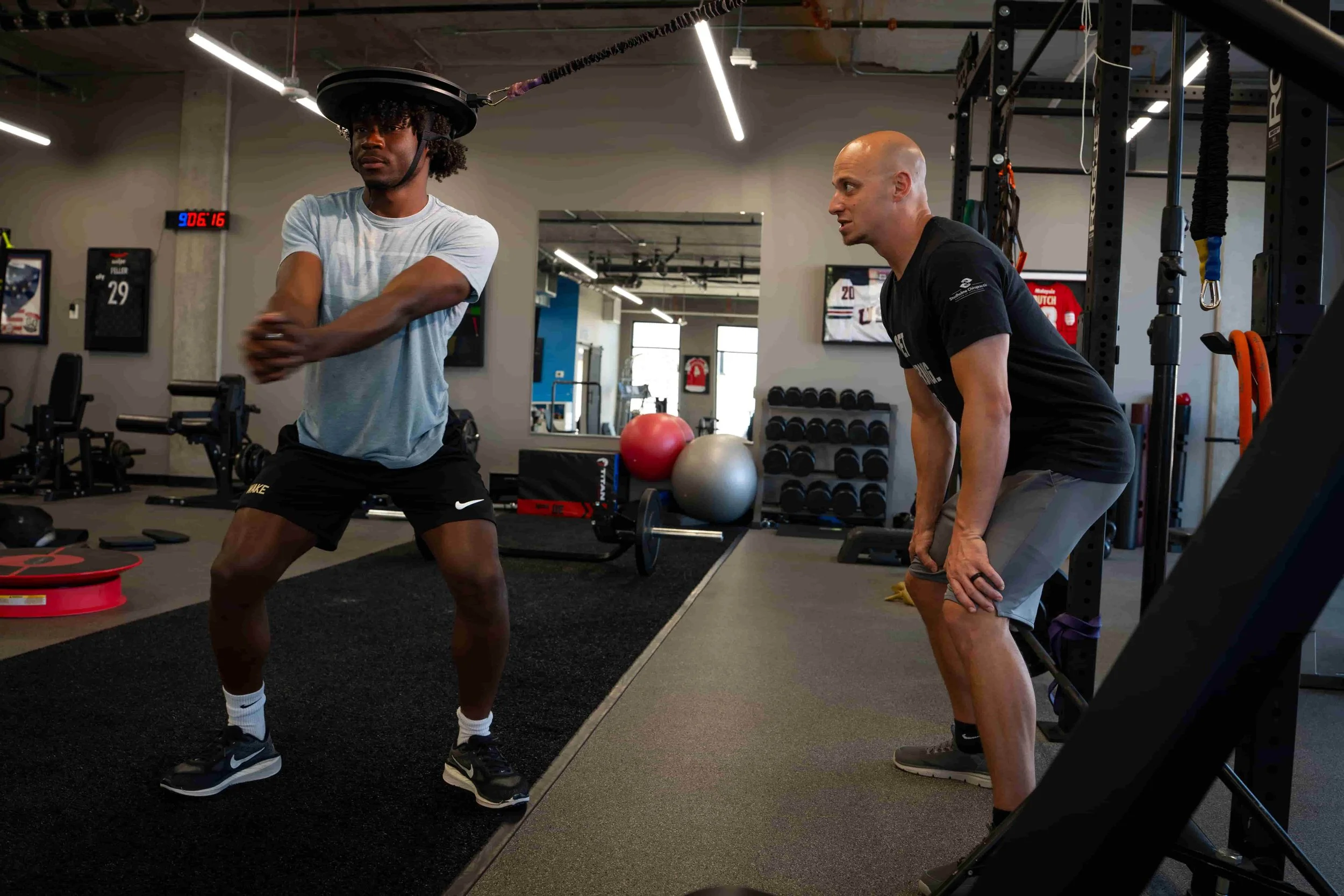
VALD Dynamo Strength Testing
Measures muscle strength and compares performance between sides. Depending on your symptoms, we may use this when we want additional measurements of the shoulders, upper back, arms, or other areas that may influence how your neck manages load.
No single test gives us the entire answer. We combine your history, physical examination, movement testing, strength measurements, and response to activity to build a clearer picture of what may be contributing to your pain.
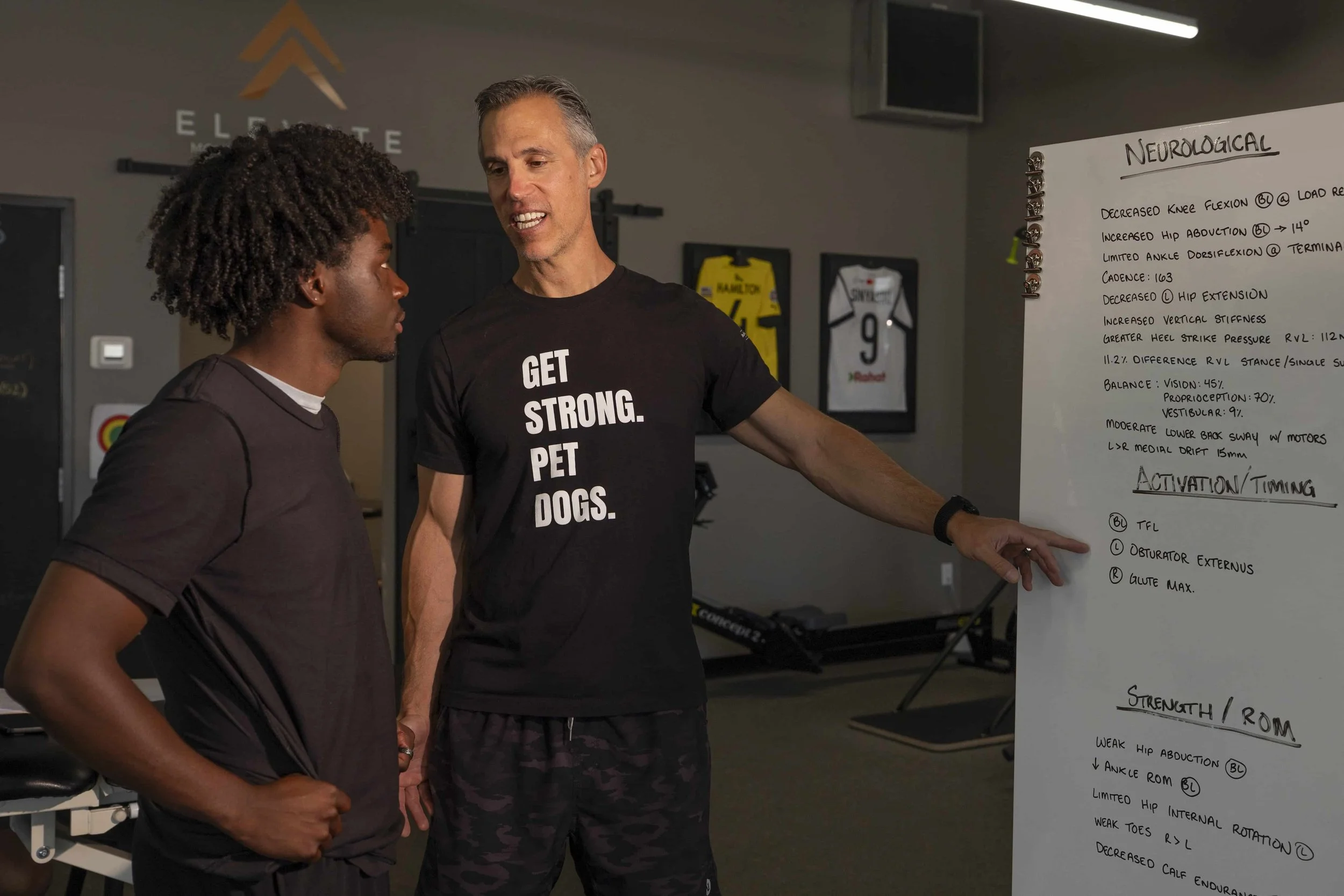
We then map the findings on a whiteboard so you can see what we found, what needs to improve, and how the rehabilitation plan will address it.
We measure exactly how your neck moves, how strong it is, and how it handles load. We do not guess.
Why Measure Neck Strength?
Most people have some idea how strong their legs, arms, or core are, but almost nobody knows how strong their neck is. That matters because pain alone does not tell us enough about what your neck needs.
One person may have a neck that does not move well. Another may have plenty of movement but lack the strength or endurance to tolerate a full day at a desk, training, lifting, running, or sport. Two people can report similar pain and have very different strength profiles, which means they may need very different rehabilitation plans.
The Multi Cervical Unit allows us to measure neck strength and range of motion in multiple directions, identify meaningful weakness or asymmetry, and establish an objective starting point. Sometimes mobility is the problem. Sometimes the neck already moves well and simply needs more capacity. Measuring both helps us determine which situation applies to you.
Just as importantly, we can retest. If we are asking you to strengthen your neck, we should be able to measure whether it is actually getting stronger. The goal is not perfect posture or a perfect curve. The goal is a neck that is stronger, more capable, and better prepared for the demands you place on it.
How We Treat Neck Pain
Finding the factors that may be contributing is only the first step. The other half is improving what your neck can actually do. Lasting improvement requires changing what your body can tolerate and how confidently you can move. Follow up visits are one hour and combine hands on treatment with guided rehabilitation.
Your Treatment Plan May Include
-
Adjustments, joint mobilization, soft tissue treatment, and other manual techniques may be used to reduce discomfort and restore movement when appropriate.
-
We coach you through your exercises instead of handing you a generic exercise sheet.
Your program may address:
• Neck strength
• Neck endurance
• Shoulder and upper back strength
• Trunk strength and control
• Movement coordination
• Tolerance to sitting, lifting, exercise, or sport
• A gradual return to the activities that are currently limited
-
When appropriate, the Multi Cervical Unit can be used to progressively strengthen the neck. Because we can measure your starting strength, resistance can be progressed based on what you can actually produce rather than choosing exercises or resistance based only on feel. We can then retest to see whether your strength and symmetry are improving.
-
We film your exercises so you leave with personalized videos showing exactly what to do at home. You do not have to rely on memory or search online for a similar exercise.
-
Your rehabilitation becomes more challenging as your pain, strength, and movement improve. The goal is to prepare you for real demands, not keep you performing basic exercises indefinitely.
-
Class IV laser may be used as an additional tool to help manage pain and support your ability to participate in rehabilitation when appropriate.
-
Dynamic Tape may be used to reduce stress on a sensitive area while still allowing the neck to move during work, exercise, and everyday activity.
Hands on care matters, but it is part of the plan, not the entire plan.

Still Have Neck Pain After Trying Other Treatments?
Many of our patients have already tried chiropractic care, physical therapy, massage, injections, medication, or rest.
They often come to us because:
Their neck pain keeps returning
Previous care focused only on the painful area
Their exercises were never progressed
They were told to stop activities without a plan for returning
They want objective testing rather than another opinion based only on feel
They want a provider who will perform the rehabilitation with them
Instead of simply repeating what has already been tried, we evaluate how your neck is moving and functioning now, identify what may still be limiting you, and build the plan around those findings.
We are also honest about what belongs in our office. If your history or examination suggests that imaging, medical evaluation, or specialist care is the better next step, we will tell you and help direct you to the appropriate provider.
If you have been searching for neck pain treatment near you in Denver, our clinic is located at 1600 South Broadway and serves patients from Wash Park, Platt Park, South Broadway, Cherry Creek, Englewood, and the greater Denver area.
What to Expect
| Most chiropractors | Recovery centers | Studholme | |
|---|---|---|---|
| First visit | ~45 minutes | A self-guided tour | ~2 hrs, full functional evaluation |
| Follow-ups | 10–15 min adjustment | DIY access to tools | A full hour: 30 min care + 30 min guided rehab |
| Your rehab | A handout | Not really the point | We do it with you and film it so you can do it at home |
| Neck strength | May be assessed with hand pressure | Not really the focus | Objectively measured with the Multiple Cervical Unit |
| Progress | Based on symptoms | Based on how you feel after sessions | Strength, movement, and function are retested over time |
| How the plan is set | Experience & feel | A menu of services | Built around your evaluation, goals, and measurable findings |
Why People With Stubborn Neck Pain Come To Us
Many of our patients find us through word of mouth, while others are referred by healthcare providers, coaches, or trainers who want a more detailed evaluation. Our approach combines a two hour functional evaluation, objective movement and strength testing, hands on treatment, one on one rehabilitation, and retesting to track progress.
Dr. Studholme is certified in Advanced Muscle Integration Technique, an additional method used to assess how individual muscles are contributing to movement. He also co-founded SparkMotion, a movement assessment platform used in high performance sports settings.
Technology is only useful when it changes a clinical decision. We use testing to answer specific questions, guide rehabilitation, and measure progress, not simply to produce more data.
We are also honest about what belongs in our office. When your symptoms require imaging, medical evaluation, or specialist care, we will tell you and help direct you to the appropriate provider.
Neck Pain Treatment FAQs
-
Cervical manipulation is not appropriate for every person or every type of neck pain. Before recommending treatment, we review your history, perform a physical and neurological examination, and determine which treatment options are appropriate for you. An adjustment is also not required. Depending on what we find, treatment may include joint mobilization, soft tissue treatment, rehabilitation, or other techniques instead.
-
That depends on your diagnosis, how long the symptoms have been present, your current function, your goals, and how you respond to rehabilitation. Rather than promise a timeline, we establish a starting point and retest as you progress so we can determine whether the plan is moving in the right direction.
-
If neck pain is not improving, keeps returning, or is limiting your work, sleep, exercise, or daily activities, it is reasonable to have it evaluated. Seek prompt medical evaluation for significant or rapidly worsening weakness, loss of coordination or balance, symptoms following major trauma, or a sudden severe headache or neck pain that feels very different from anything you have experienced before. We also screen for neurological and other findings during your evaluation and refer for imaging or medical care when appropriate.
-
There is more to it. Hands-on care is one part of the visit. Follow up visits also include one on one rehabilitation designed around what your evaluation shows. We coach the exercises with you, film them so you can repeat them at home, and progress them as your strength and movement improve.
-
Yes, when appropriate. The Multi Cervical Unit allows us to measure neck strength in different directions and can also be used for progressive resistance training. This gives us an objective starting point and allows us to retest as your strength improves.
Your evaluation helps us determine which factors are relevant in your case.
-
Your first visit takes approximately two hours and may include:
• A detailed history
• A physical and neurological examination
• Neck range of motion testing
• Objective neck strength testing
• Movement and EMG testing when indicated
• A clear explanation of the findings
• Initial treatment and rehabilitation planning
You leave knowing what we found, what the plan is, and what happens next.
Get answers about your neck, not just another adjustment.
If you have been told to rest it, wait it out, or simply live with it, you need a clearer plan. We can measure how your neck moves, how strong it is, and what may be limiting you, then build a rehabilitation plan around those findings. At Studholme Chiropractic, the goal is to use the right tools at the right time to help you move better, get stronger, and return to the activities that matter to you.