
Class IV Laser Therapy in
Denver, CO
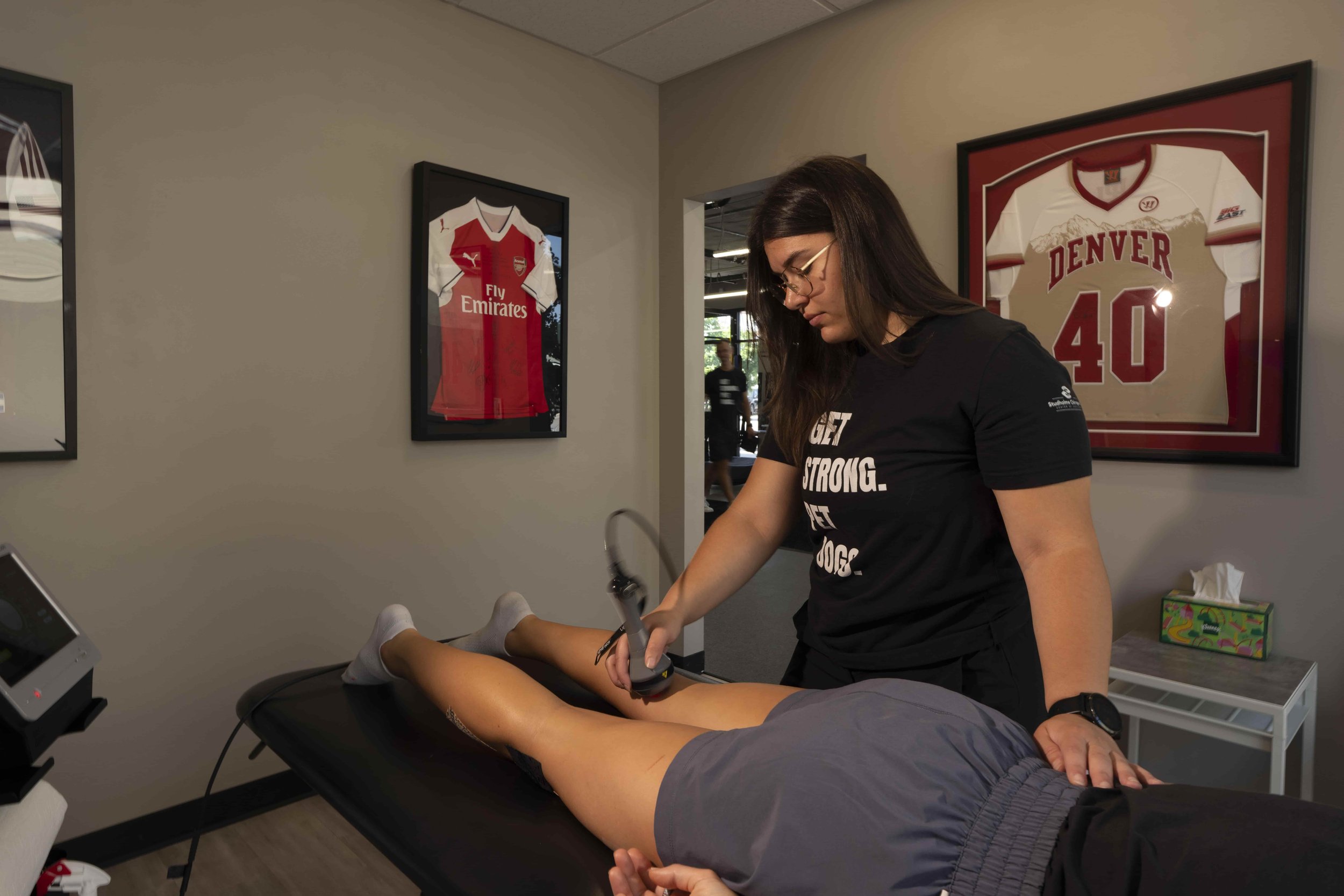
Studholme Chiropractic offers Class IV laser therapy, often called deep tissue laser therapy, to help manage pain during rehabilitation. We do not use laser as a stand-alone solution. We use it alongside hands on care and one on one rehabilitation to help you move more comfortably and continue progressing.
The goal is not just to treat the painful area. It is to use the right tools at the right time to rebuild strength, movement, and capacity so you can get back to what you want to do.
What Is Class IV Laser Therapy?
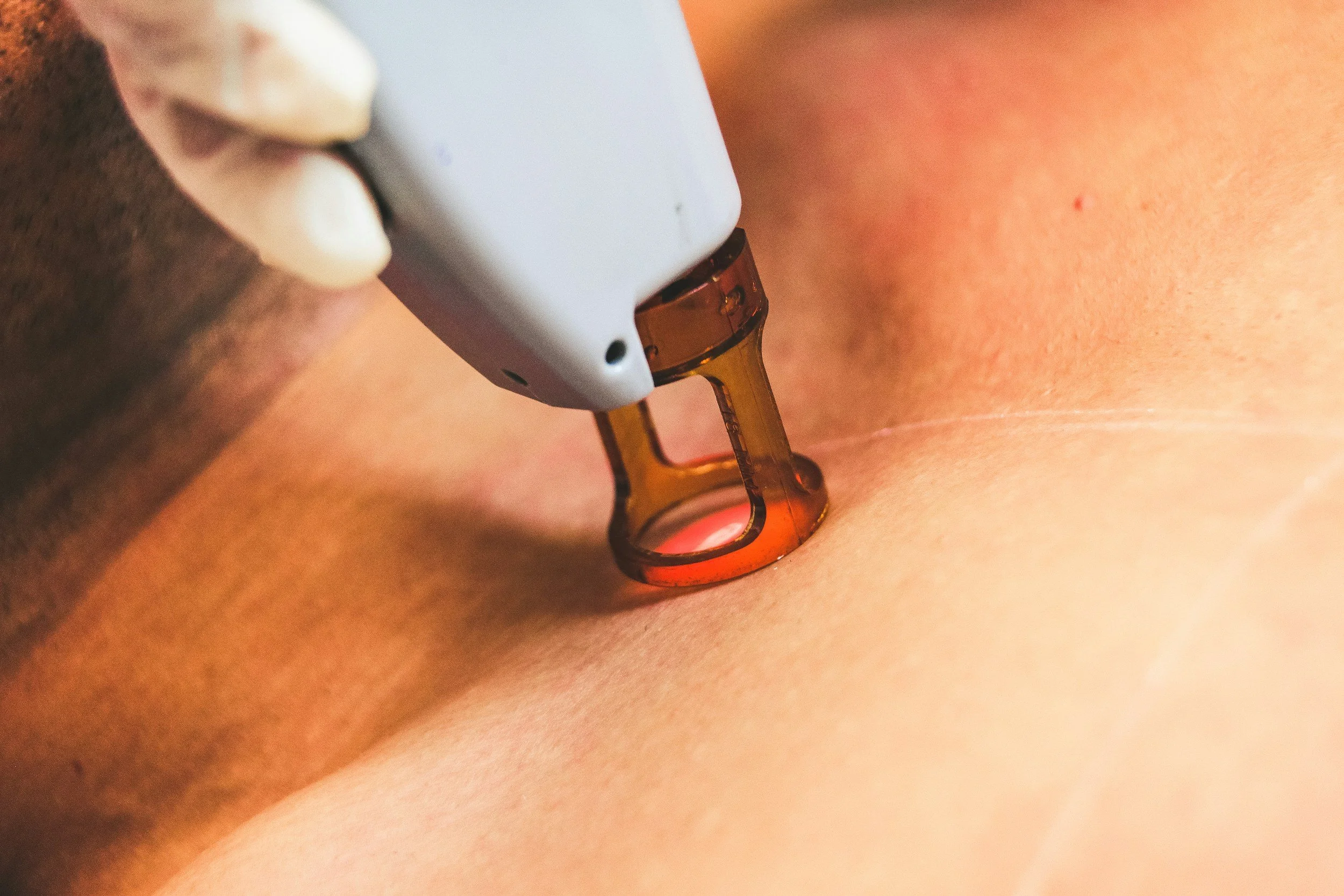
Class IV laser therapy uses focused red and near infrared light as part of a treatment commonly referred to as photobiomodulation. You might also hear terms like deep tissue laser therapy, cold laser therapy, or low-levellaser therapy. These treatments all use therapeutic light, but the devices differ in their power, wavelength, treatment settings, and how the energy is delivered.
Class IV lasers use a higher power output than devices commonly described as low level or cold lasers. This allows more energy to be delivered over a shorter treatment period. To you, it just feels like a gentle warmth over the treated area.
Research suggests laser therapy can help reduce pain and improve function for some musculoskeletal conditions, but results vary between conditions, treatment settings, and individuals.
That is why we use laser as one tool within a rehabilitation plan, not as a stand-alone treatment. If laser helps you move more comfortably and participate in rehabilitation, it can be useful. If it is not adding anything to your care, we do not need to keep using it.
The goal is not to keep treating the painful area indefinitely. The goal is to help you continue building the strength, movement, and load tolerance needed for long term improvement.
Does Laser Therapy Work For Pain?
How We Use Laser Therapy at Studholme
The difference at Studholme Chiropractic is not simply the device. We do not build treatment plans around the laser. We build them around you.
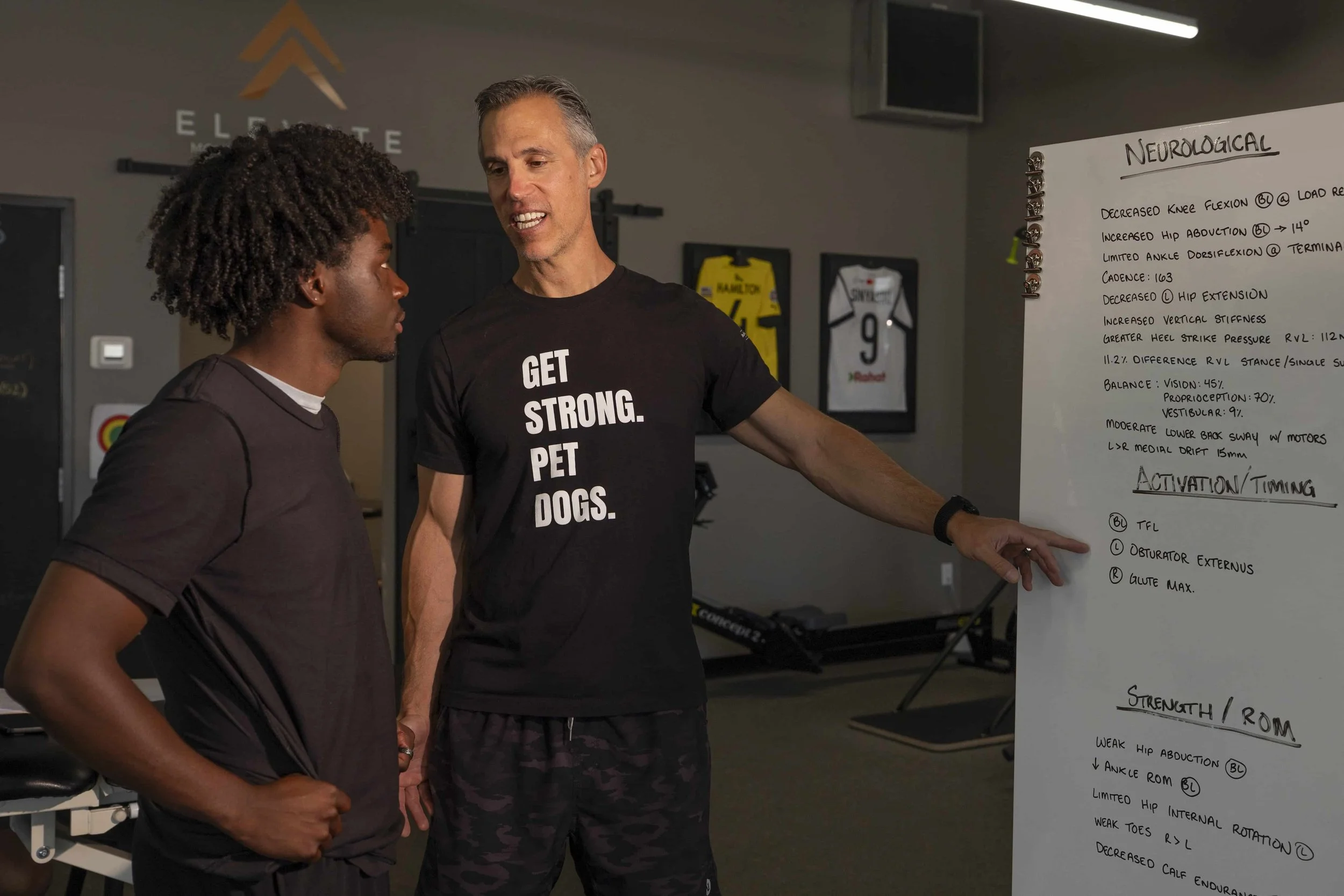
Your follow up visits combine hands on treatment with one-on-one rehabilitation. We always film your exercises so you know exactly what to do at home, and we retest when appropriate to determine whether the overall plan is working.
Laser may be added when it can help manage pain or make it easier for you to participate in your rehabilitation.
We commonly consider laser therapy for:
Knee pain
Shoulder pain
Achilles, hamstring and patellar tendon pain
Other tendon related injuries
Ankle sprains
Low back pain
Neck pain
Muscle and soft tissue injuries
Irritated areas that are limiting exercise or movement
Your rehabilitation progresses based on how you respond, not simply because you completed a certain number of laser sessions.
What Does Laser Therapy Feel Like?
Most people feel a gentle warmth over the area we are treating. Treatment is comfortable, and sessions usually take five minutes depending on the size of the area and the treatment being performed. You will wear protective eyewear during treatment, and so will your provider. Some people may notice temporary warmth in the treated area afterward.
How often laser therapy is used depends on your condition, how long your symptoms have been present, and how you respond to treatment. We do not automatically prescribe a fixed number of sessions. Laser is used when it makes sense within your overall rehabilitation plan.
Class IV Laser vs Low-Level (Cold) Laser
| Low-level/"cold"laser (Class III) | Class IV/ Deep Tissue Laser | |
|---|---|---|
| Power | Lower power | Higher power |
| Treatment Time | Can require longer application | Can deliver more energy in less time |
| Tissue Depth | Light loses energy as it travels deeper into the body, so less energy reaches deeper tissues. | Light still loses energy as it travels deeper, but the higher power allows more energy to reach deeper tissues. |
| How it Feels | Often little or no warmth | A gentle warmth |
| How We Use It | Not the device we use | Used as an adjunct to hands on care and rehabilitation |
| Safety | Eye protection and appropriate use are important | Requires trained use and proper eye protection |
Why People Come To Us
Many of our patients have already tried chiropractic care, physical therapy, massage, injections, medication, or rest. Some find us through word of mouth, while others are referred by healthcare providers, coaches, or trainers who want a more detailed evaluation.
Patients often come to us because:
• Their pain keeps returning
• Previous care focused only on the painful area
• Their exercises were never progressed
• They were told to stop activity without a plan for returning
• They want objective testing rather than another opinion based only on feel
• They want a provider who will perform the rehabilitation with them
Our approach combines a two hour functional evaluation, objective strength and movement testing, hands on treatment, one on one rehabilitation, and retesting to track progress.
Dr. Studholme is certified in Advanced Muscle Integration Technique, an additional method used to assess how individual muscles are contributing to movement. He also co founded SparkMotion, a movement assessment platform used in high performance sports settings.
Technology is only useful when it changes a clinical decision. We use testing to answer specific questions, guide rehabilitation, and measure progress, not simply to produce more data.
We are also honest about what belongs in our office. When your symptoms require imaging, medical evaluation, or specialist care, we will tell you and help direct you to the appropriate provider.

Class IV Laser Therapy FAQs
-
No. Most people feel only a gentle warmth over the area. It is described as comfortable rather than painful.
-
It depends on your condition, how long it has been present, and how you respond. Some problems may only require occasional use of laser while you continue rehabilitation. Others may benefit from using it more regularly for a period of time. We adjust its use according to your progress rather than automatically selling a fixed treatment package.
-
Class IV laser therapy can be used safely when it is delivered by a trained provider using proper precautions. Protective eyewear is required during treatment. There are also situations where laser therapy may not be appropriate, which is part of what we consider before treatment.
-
The main difference is power output.
Cold laser or low level laser devices generally use lower power, while Class IV devices use higher power and can deliver more energy over a shorter period. How the light interacts with tissue depends on more than the laser class alone, including wavelength, dose, treatment settings, and the tissue being treated.
Studholme Chiropractic uses a Class IV therapeutic laser.
-
Laser therapy can help with pain and function for some musculoskeletal conditions, but it does not work the same way for every person or every problem. We use it as one part of a larger rehabilitation plan rather than relying on it as the primary treatment. If it is helping you move, exercise, and progress more comfortably, we may continue using it. If it is not adding anything to your care, we do not need to keep using it.
Your evaluation helps us determine which factors are relevant in your case.
-
No. Laser therapy is an additional tool. Your care will also include hands on treatment, strength training, movement retraining, progressive loading, and home exercises.
See Whether Laser Fits Your Plan
Laser therapy is one tool within a much larger process.
If you have been told to rest, brace it, or live with it, you may need a clearer plan. We can evaluate what is going on and determine whether Class IV laser therapy makes sense as part of your care. At Studholme Chiropractic, the goal is not just to treat the painful area. It is to use the right tools at the right time to rebuild strength, movement, and capacity so you can get back to what you want to do.