
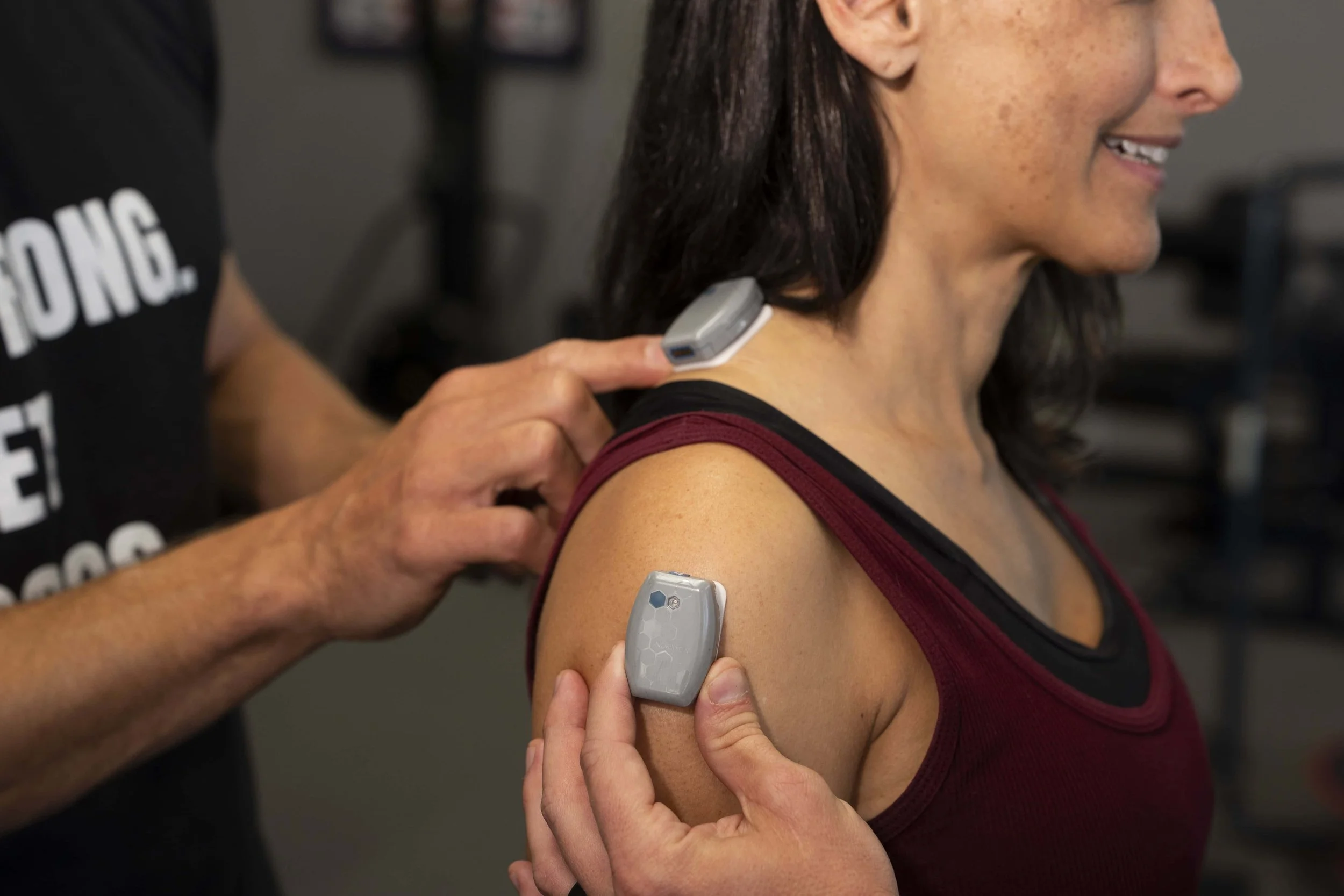
Shoulder Pain Chiropractor in Denver
Shoulder pain can make it difficult to reach overhead, lift, train, work, or sleep comfortably.
At Studholme Chiropractic, we start with a two hour evaluation to measure how your shoulder moves, how strong it is, and how it responds to load. Then we show you what we find and build your rehabilitation around those findings.
Your care may combine hands on treatment, one on one rehabilitation, progressive strengthening, and other tools when appropriate. The goal is to use the right tools at the right time to help your shoulder move better, get stronger, and return to the activities that matter to you.
Can a Chiropractor Help with Shoulder Pain?
Yes, chiropractic care can help with certain forms of shoulder pain, especially when hands on treatment is combined with progressive rehabilitation.
Shoulder pain does not always mean something is badly damaged. Your pain can be influenced by strength, mobility, training demands, previous injuries, sleep, and how much load the shoulder is currently able to tolerate.
That is why we evaluate more than the painful area.
We assess shoulder strength and range of motion, how the shoulder blade moves, and whether the neck and upper back may be contributing. Those findings guide your rehabilitation and give us measurements we can retest as you progress.
Some shoulder problems require imaging or medical evaluation. If your examination suggests that is the better next step, we will tell you and help direct you to the appropriate provider.
We commonly evaluate rotator cuff related shoulder pain, partial rotator cuff tears, shoulder bursitis, frozen shoulder, pain with lifting or overhead activity, and shoulder pain that may be influenced by the neck.
The same symptom can have different contributing factors, which is why we do not treat every painful shoulder the same way.
We measure strength, range of motion, load tolerance, neck involvement, and how the shoulder responds to movement before deciding what needs to improve.
What Shoulder Pain Do We Treat?
-
Rotator cuff related shoulder pain is one of the most common reasons people develop pain at the front or side of the shoulder, especially with reaching overhead, lifting, pressing, pulling, or lying on that side.
You may also hear terms such as rotator cuff tendinopathy, shoulder impingement, or subacromial pain used to describe similar symptoms.
Rather than assuming one structure is the entire problem, we measure shoulder strength, assess range of motion and shoulder blade control, and test how your symptoms respond to different positions and loads.
Your rehabilitation is then built around the deficits we find.
-
A rotator cuff tear does not automatically mean you need surgery.
Some partial and degenerative tears can be managed with progressive rehabilitation. The important questions are how much strength and function you currently have, which activities are limited, and how the shoulder responds to loading.
We measure shoulder strength, compare sides, and track how your function changes as rehabilitation progresses.
If your history or examination suggests that imaging or an orthopedic opinion would change the plan, we will tell you.
-
Pain when lifting the arm can occur with rotator cuff related pain, bursa irritation, reduced strength, limited movement, or when the shoulder is being asked to tolerate more load than it is currently ready for.
We assess shoulder strength, range of motion, shoulder blade movement, and how your symptoms change with different positions and resistance.
That helps us determine what your shoulder currently tolerates and where rehabilitation should begin.
-
Shoulder bursitis refers to irritation of the fluid filled bursa around the shoulder. It can cause pain with reaching, lifting, and lying on the affected side.
Treatment is not only about calming the irritated area. We also look at shoulder strength, movement, and activity demands that may need to improve so the shoulder can better tolerate daily activity and exercise.
-
Frozen shoulder, also called adhesive capsulitis, causes pain and a progressive loss of shoulder motion.
Recovery takes time, and forcing the shoulder is not always helpful.
Treatment depends on where you are in the process and may focus on maintaining comfortable movement, gradually restoring range of motion, rebuilding strength, and coordinating with your physician when appropriate.
-
Swimming, climbing, throwing, volleyball, tennis, weightlifting, and other overhead activities place repeated demand on the shoulder.
We measure shoulder strength and differences between sides, assess movement and load tolerance, and review your training demands.
Rehabilitation is then progressed toward the strength, endurance, speed, and positions your activity requires.
The goal is not simply to make the shoulder feel better. It is to prepare it for what you want it to do.
-
Night pain can occur with rotator cuff related shoulder pain, bursa irritation, frozen shoulder, and other shoulder conditions.
Lying directly on a sensitive shoulder may increase pressure on irritated tissues, while daytime activity and loading may also influence how the shoulder feels at night.
We consider night pain along with your strength, movement, symptoms, and examination findings rather than using it alone to determine the diagnosis.
Persistent, unexplained, or worsening night pain may also require medical evaluation.
Yes. Pain felt around the shoulder can sometimes be influenced by the neck.
That is why every shoulder evaluation includes a neck screen.
If the neck appears to be contributing, we can objectively measure neck range of motion and strength with the Multi Cervical Unit and include those findings in your rehabilitation plan.
This helps us avoid treating the shoulder in isolation when the neck may also be part of the problem.
Learn more about Multi-Cervical Unit testing and our approach to neck pain.
Can Shoulder Pain Come From the Neck?
How We Evaluate Shoulder Pain
Your first visit is approximately two hours. We begin with your history, symptoms, previous treatment, work or training demands, and the activities you want to return to. Testing is selected based on your presentation and may include some of the below methods. No single test gives us the whole answer.
We combine your history, physical examination, strength measurements, movement testing, and response to load to build a clearer picture of what may be contributing to your symptoms. We then explain what we found, what needs to improve, and how the rehabilitation plan will address it.
We measure how your shoulder moves, how strong it is, and how it handles load. We do not guess.
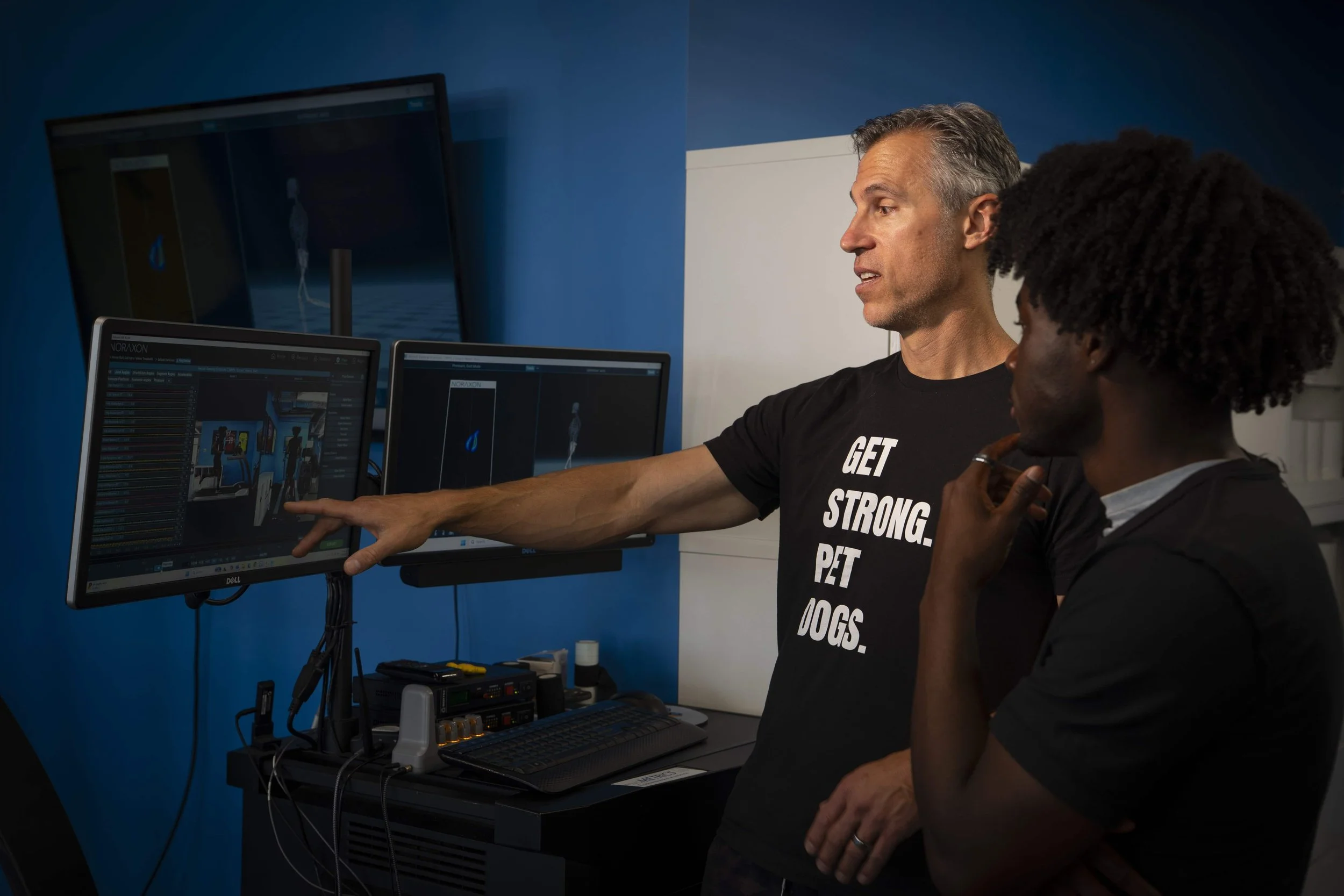
We assess how your shoulder, shoulder blade, neck, and upper back move and work together. We also look at which movements reproduce your symptoms and whether changing position, resistance, or movement strategy changes how the shoulder feels.
Movement and Range of Motion
Objective Shoulder Strength Testing
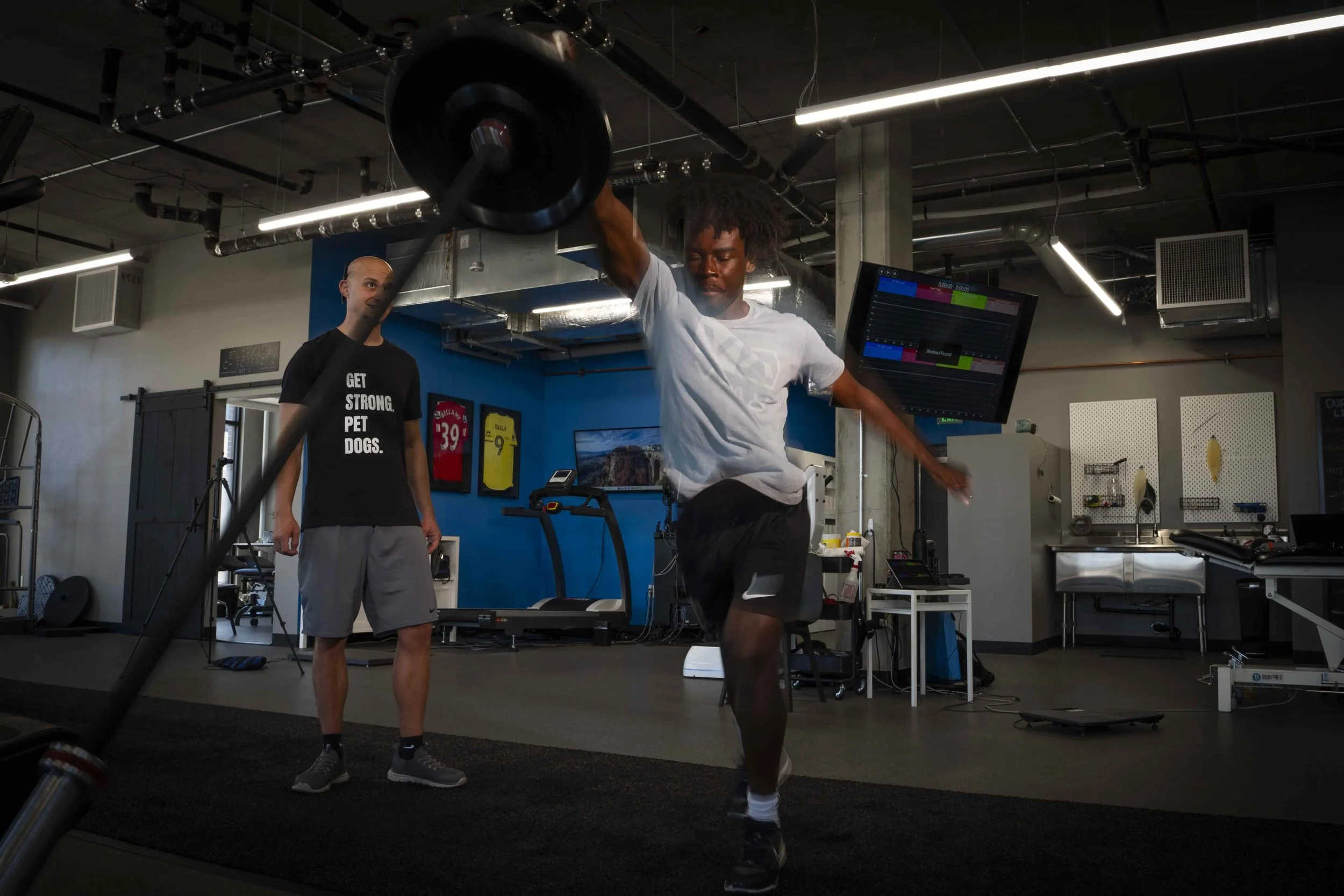
We use the VALD DynaMo to measure shoulder strength rather than relying only on how strong the shoulder feels during a manual test. Depending on your symptoms, we may measure internal rotation, external rotation, elevation, or other movements that help us understand how the shoulder is performing. We can compare sides and establish a starting point that can be retested as you progress.
Response to Load
We evaluate how your shoulder responds to different levels of resistance, positions, and exercises. This helps us determine what the shoulder can currently tolerate and where rehabilitation should begin.
Neck Screening
Every shoulder evaluation includes a neck screen because pain around the shoulder may sometimes be influenced by the neck.
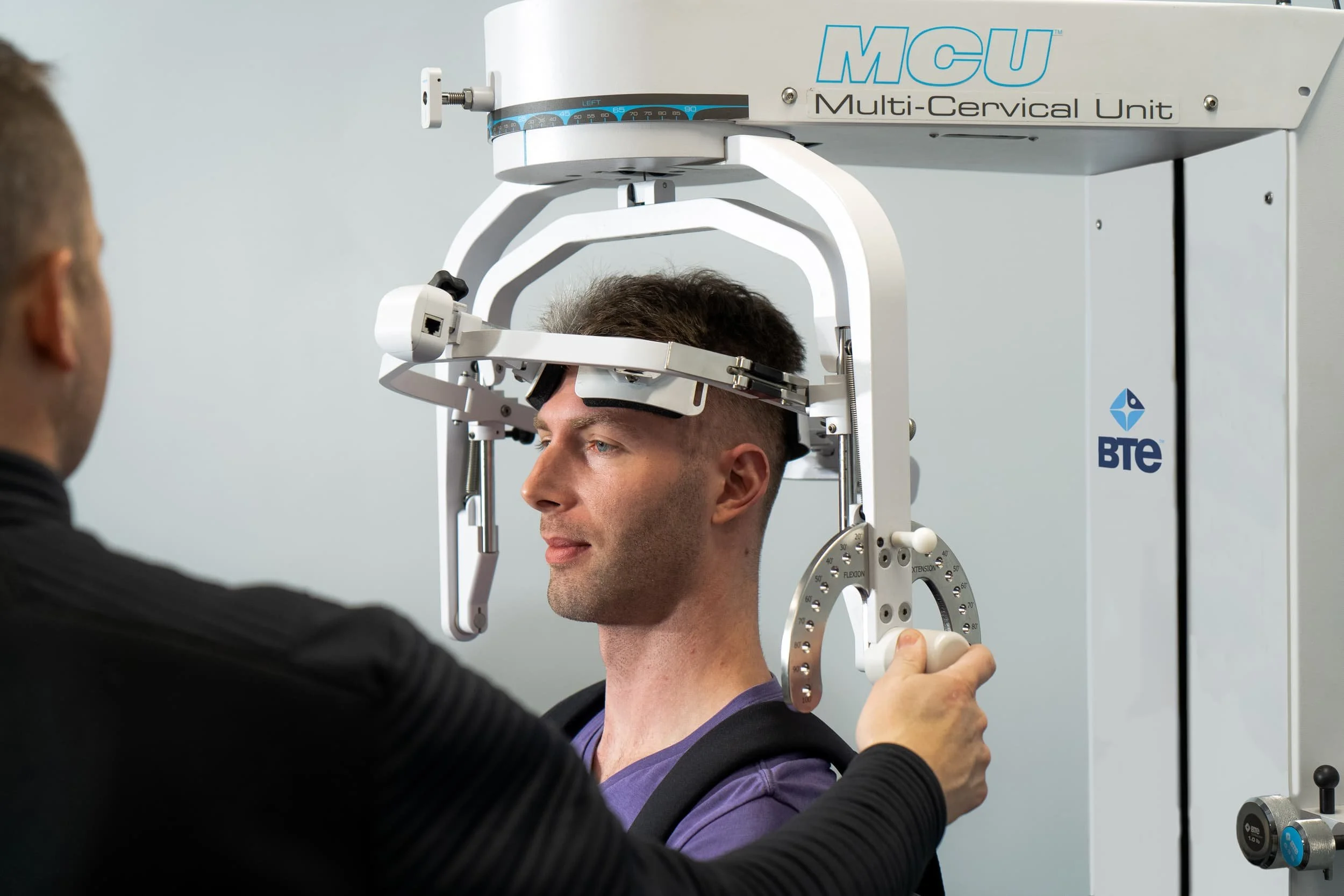
Objective Neck Testing when Appropriate
If the neck appears to be involved, the Multi-Cervical Unit can measure neck range of motion and strength in several directions.
Why Measure Shoulder Strength?
Pain alone does not tell us enough about what your shoulder needs.
One person may have plenty of movement but lack strength. Another may be strong in some directions but have difficulty producing force in others. Someone else may have adequate strength but struggle when the shoulder is repeatedly loaded overhead.
Two people can report similar pain and have very different strength profiles, which means they may need very different rehabilitation plans.
Objective strength testing gives us a starting point. It helps us identify meaningful differences, choose appropriate exercises, and retest later to determine whether your shoulder is actually getting stronger.
If we are asking you to strengthen your shoulder, we should be able to measure whether that is happening.
How We Treat Shoulder Pain
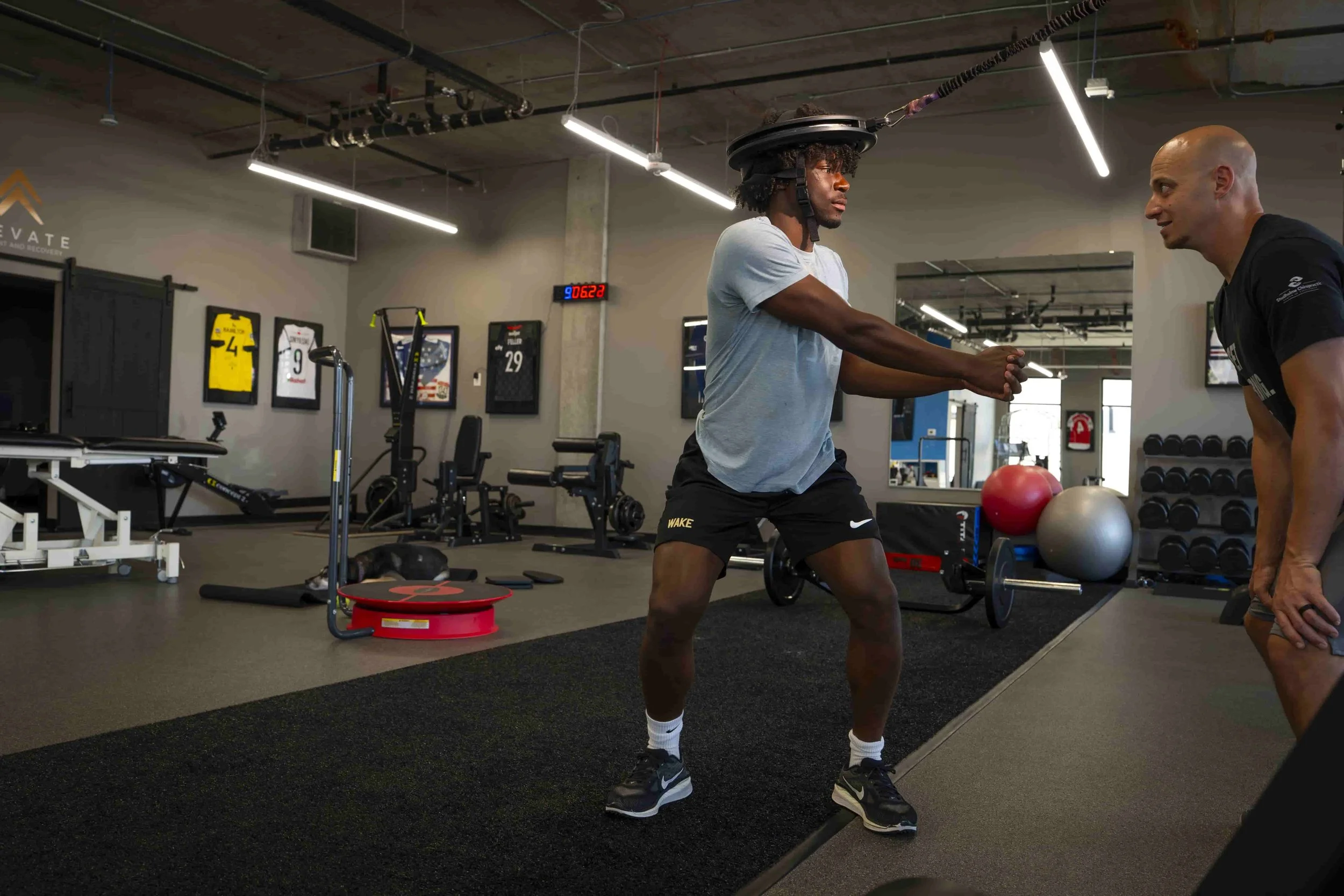
Finding what may be contributing is only the first step. The next step is improving what your shoulder can actually do.
Follow up visits are one hour and combine hands on treatment with one on one rehabilitation.
-
Soft tissue treatment, joint mobilization, adjustments, and Advanced Muscle Integration Technique may be used when appropriate to help manage symptoms and improve movement.
-
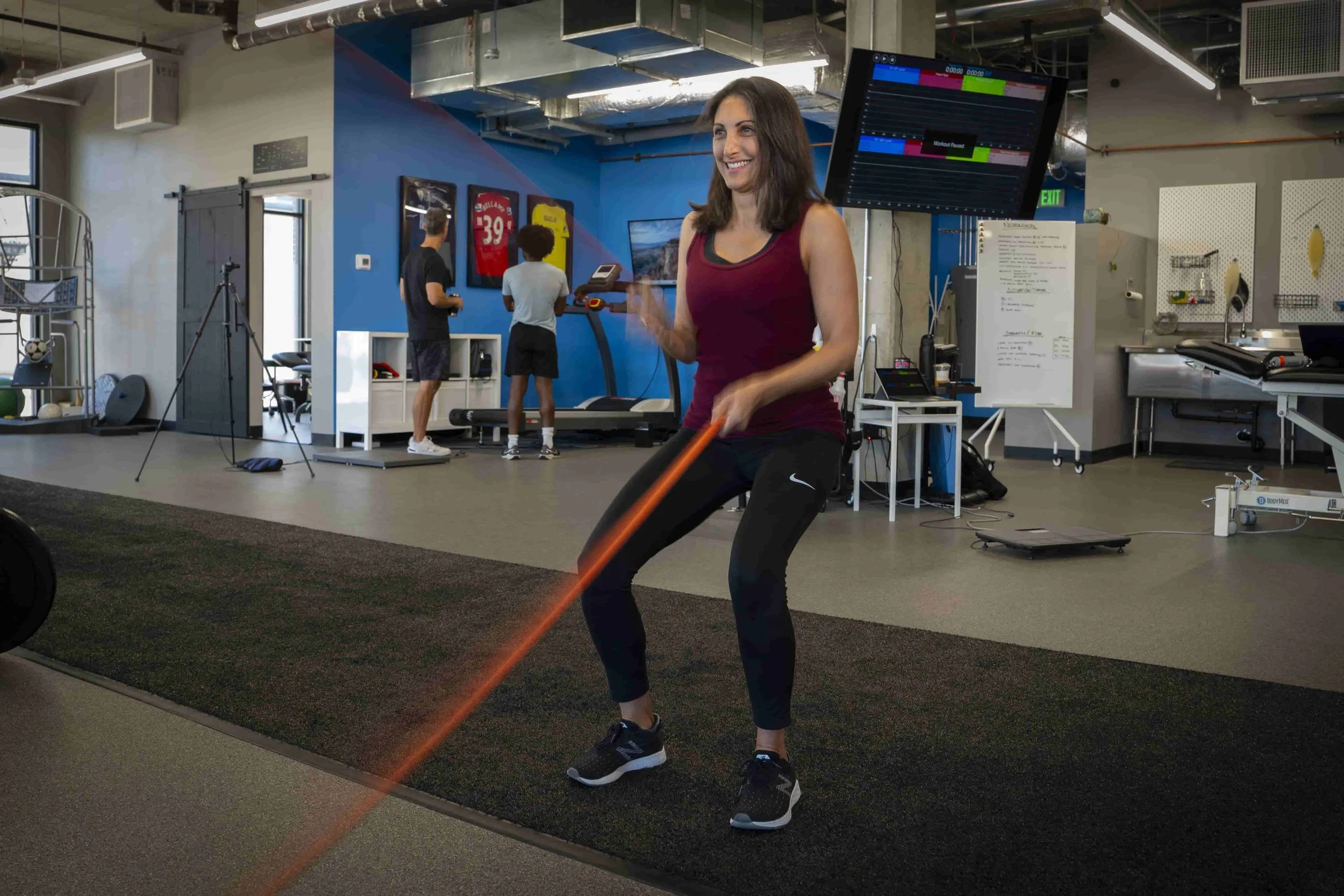
We coach you through your exercises instead of handing you a generic exercise sheet. Your rehabilitation may address:
Rotator cuff strength
Shoulder blade strength and control
Range of motion
Shoulder endurance
Pressing and pulling strength
Overhead capacity
Neck and upper back strength when relevant
Gradual return to lifting, work, or sport
-
Your program becomes more challenging as your shoulder tolerates more. The goal is not to keep you doing light rehabilitation exercises indefinitely. It is to progressively prepare your shoulder for the demands you want to return to.
-
We film your exercises through SparkMotion so you know exactly what to do at home. You do not have to rely on memory or search online for a similar exercise.
-
Class IV laser may be used as an additional tool to help manage pain and make rehabilitation more comfortable when appropriate. Learn more about our Class IV laser therapy.
-
Dynamic Tape may be used to reduce stress on a sensitive area while still allowing you to move during work, exercise, and daily activity.
-
We repeat the measurements that mattered during your initial evaluation to see whether strength, movement, and function are improving or if the rehabilitation plan needs to change.
| Shorter-visit model | Recovery centers | Studholme | |
|---|---|---|---|
| First visit | Brief intake focused on history, exam, and treatment | Focused on access to recovery services or tools | Two hours with a full functional evaluation and objective testing |
| Follow-ups | Shorter and treatment focused | Centered on recovery tools or services | One hour combining hands on care with one on one rehabilitation |
| Strength testing | Usually estimated by feel | Usually not the primary focus | Objectively measured with VALD DynaMo |
| Neck involvement | Screened by hand | Usually not the primary focus | Screened and objectively tested with the Multi Cervical Unit when relevant |
| Rehabilitation | Often separate or a handout | May not be the primary focus | Coached one on one with you in the clinic |
| Home program | May be provided verbally or on a printed sheet | Varies | Filmed through SparkMotion so you know exactly what to do |
| Tracking progress | Based on symptoms | Based on how you feel after sessions | Strength, movement, and function are retested over time |
| Treatment plan | Varies by provider | Often built around available services | Built around your evaluation, goals, and measurable findings |
When To See A Physician First
Some shoulder symptoms should be evaluated medically before beginning rehabilitation. Seek prompt medical attention for:
A significant injury with a visible deformity or suspected dislocation
Sudden loss of strength or inability to lift the arm following an injury
Shoulder pain accompanied by chest pain, shortness of breath, sweating, or other concerning symptoms
Fever, significant redness, warmth, or swelling around the joint
Severe or rapidly worsening symptoms that do not behave like a typical musculoskeletal problem
We also screen for findings that may require imaging, medical evaluation, or specialist care.
When your presentation is not appropriate for treatment in our office, we will tell you and help direct you to the right provider.
Why Do People With Stubborn Shoulder Pain Come To Us?
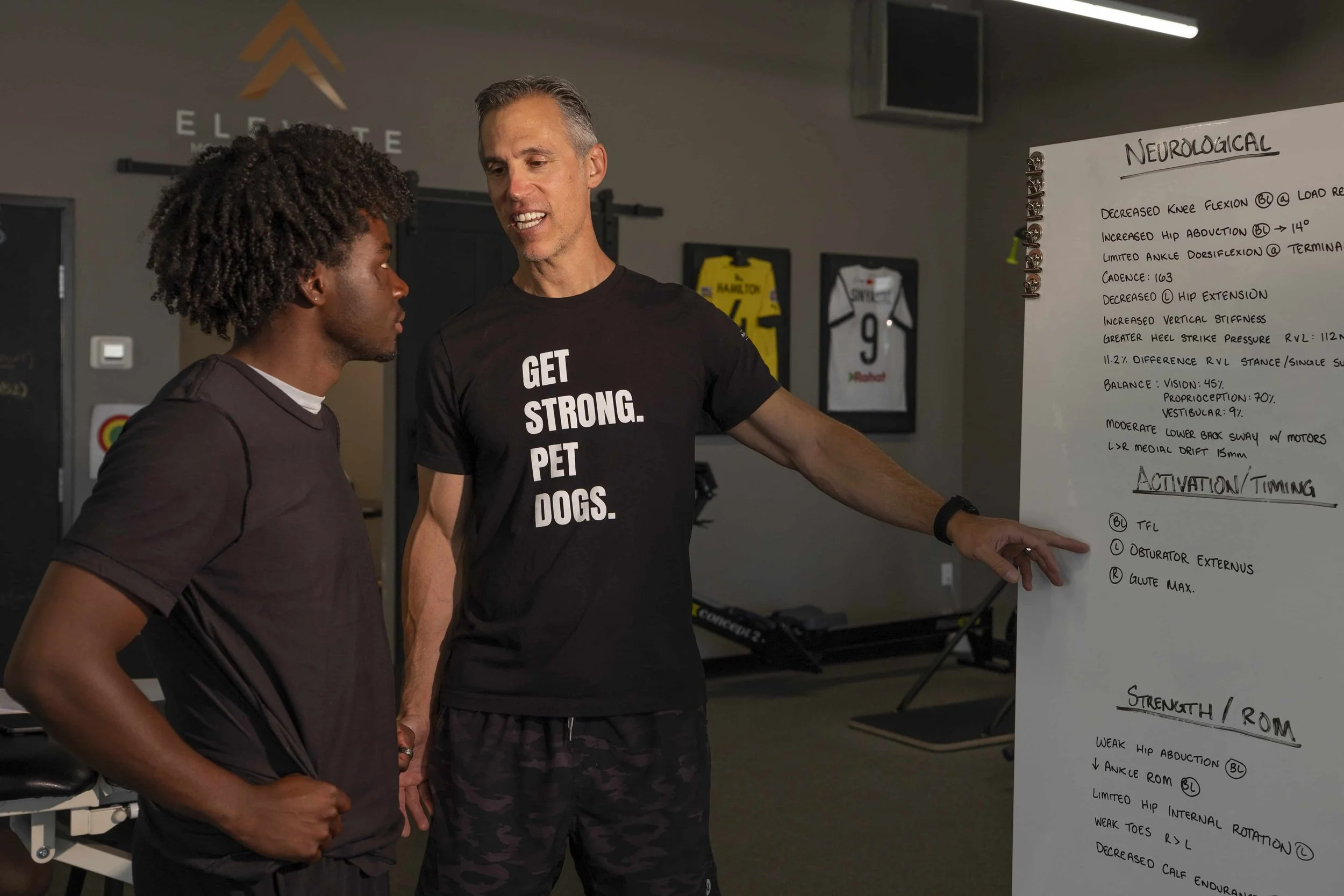
Many of our patients have already tried chiropractic care, physical therapy, massage, injections, medication, or rest. Some find us through word of mouth, while others are referred by healthcare providers, coaches, or trainers who want a more detailed evaluation.
Patients often come to us because:
Their shoulder pain keeps returning
Previous care focused only on the painful area
Their exercises were never progressed
They were told to stop lifting or training without a plan for returning
They want objective strength testing rather than another opinion based only on feel
They want a provider who will perform the rehabilitation with them
Our approach combines a two hour functional evaluation, objective strength and movement testing, hands on treatment, one on one rehabilitation, and retesting to track progress.
We’ll Get You Back On Track
Dr. Nick Studholme has worked with athletes and active adults in Denver since 2000. He is certified in Advanced Muscle Integration Technique and co-founded SparkMotion, a movement assessment and rehabilitation platform used in high performance sports settings.
Technology is only useful when it changes a clinical decision. We use testing to answer specific questions, guide rehabilitation, and measure progress, not simply to produce more data.
We are also honest about what belongs in our office. When your symptoms require imaging, medical evaluation, or specialist care, we will tell you and help direct you to the appropriate provider.

Shoulder Pain Chiropractor FAQs
-
Chiropractic care can help with certain forms of shoulder pain, especially when hands on treatment is combined with progressive rehabilitation.
We evaluate shoulder strength, movement, load tolerance, and whether the neck or upper back may be contributing before recommending treatment.
-
Pain when lifting your arm can occur with several forms of rotator cuff related shoulder pain. Strength, movement, previous injury, recent changes in activity, and how much load the shoulder is currently able to tolerate may all contribute.
Your evaluation helps us determine which factors appear relevant in your case.
-
Shoulder pain at night can occur with several shoulder conditions, particularly when lying directly on a sensitive area. Changing position may help some people, but persistent night pain should be considered along with the rest of your history and examination.
If the pain is severe, unexplained, worsening, or accompanied by other concerning symptoms, medical evaluation may be appropriate.
-
Not necessarily.
Many shoulder problems can first be evaluated with a detailed history, physical examination, strength testing, and movement assessment.
When your history or examination suggests that imaging would change the diagnosis or treatment plan, we will recommend the appropriate next step.
-
Yes. Some rotator cuff tears can be managed without surgery, particularly when pain and function improve with rehabilitation.
The right approach depends on the type and extent of the tear, your strength, symptoms, activity goals, and how the shoulder responds to conservative care.
When an orthopedic opinion is appropriate, we will tell you.
-
Yes. Pain around the shoulder can sometimes be influenced by the neck, which is why we include a neck screen during the evaluation.
When the neck appears to be involved, we can objectively measure neck range of motion and strength using the Multi Cervical Unit and include those findings in your rehabilitation plan.
-
That depends on the diagnosis, how long the symptoms have been present, your current function, your goals, and how the shoulder responds to rehabilitation.
Some problems improve relatively quickly. Tendon problems, frozen shoulder, long standing weakness, and more involved injuries may require a longer period of progressive rehabilitation.
We establish a starting point and retest when appropriate rather than promising the same timeline for every patient.
-
Your first visit takes approximately two hours and may include:
A detailed history
A physical and neurological examination
Shoulder range of motion testing
Objective shoulder strength testing
Functional movement and load testing
Neck testing when appropriate
A clear explanation of what we find
Initial treatment and rehabilitation planning

Get Answers About Your Shoulder
If shoulder pain is limiting your training, work, sleep, or daily activities, you may need a clearer plan.
We can measure how your shoulder moves, how strong it is, and what it currently tolerates, then build your rehabilitation around those findings.
At Studholme Chiropractic, the goal is to use the right tools at the right time to help you rebuild strength, movement, and capacity so you can get back to what you want to do.